Two 3ml Vial Cases, Six Parts, and One Combination I Regret

The same object can look right to one person and wrong to another. There is no strict good or bad in that. What you find beautiful is already a kind of meaning, and nobody has to agree with you for it to be true.
We kept coming back to that while this case was being designed. Is there a version that most people can live with? The honest answer was that no single colour is. So we stopped trying to pick one. The case was split into three pieces, each printed separately, and the colour is left to whoever puts it together.
That is where this multi-colour cylindrical case comes from. Last week I spent an afternoon seeing how far the idea goes, by taking two of them apart and swapping the parts.
Two swaps are worth showing you. One I would ship tomorrow, and one I would not put on a shelf.
First, the three pieces
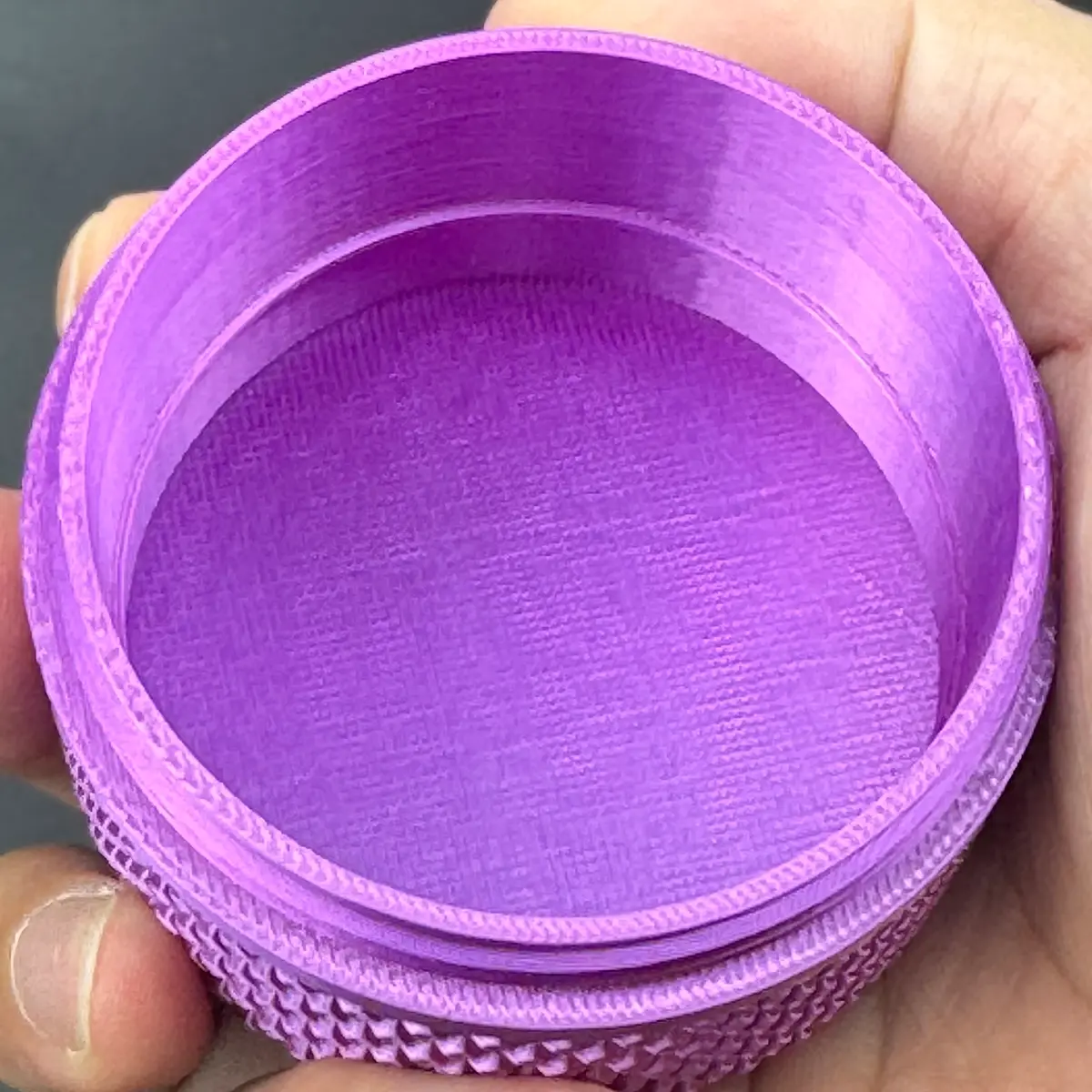
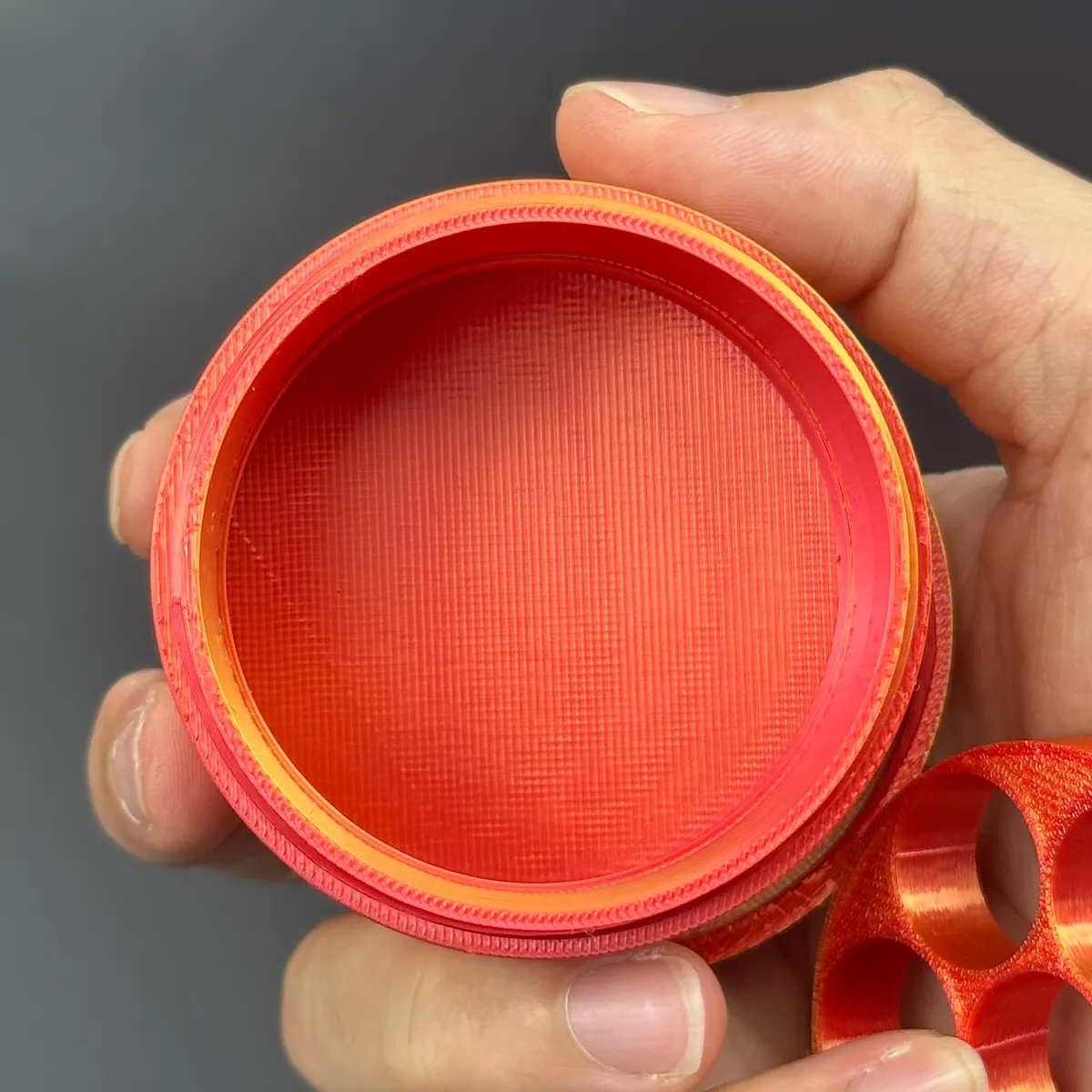
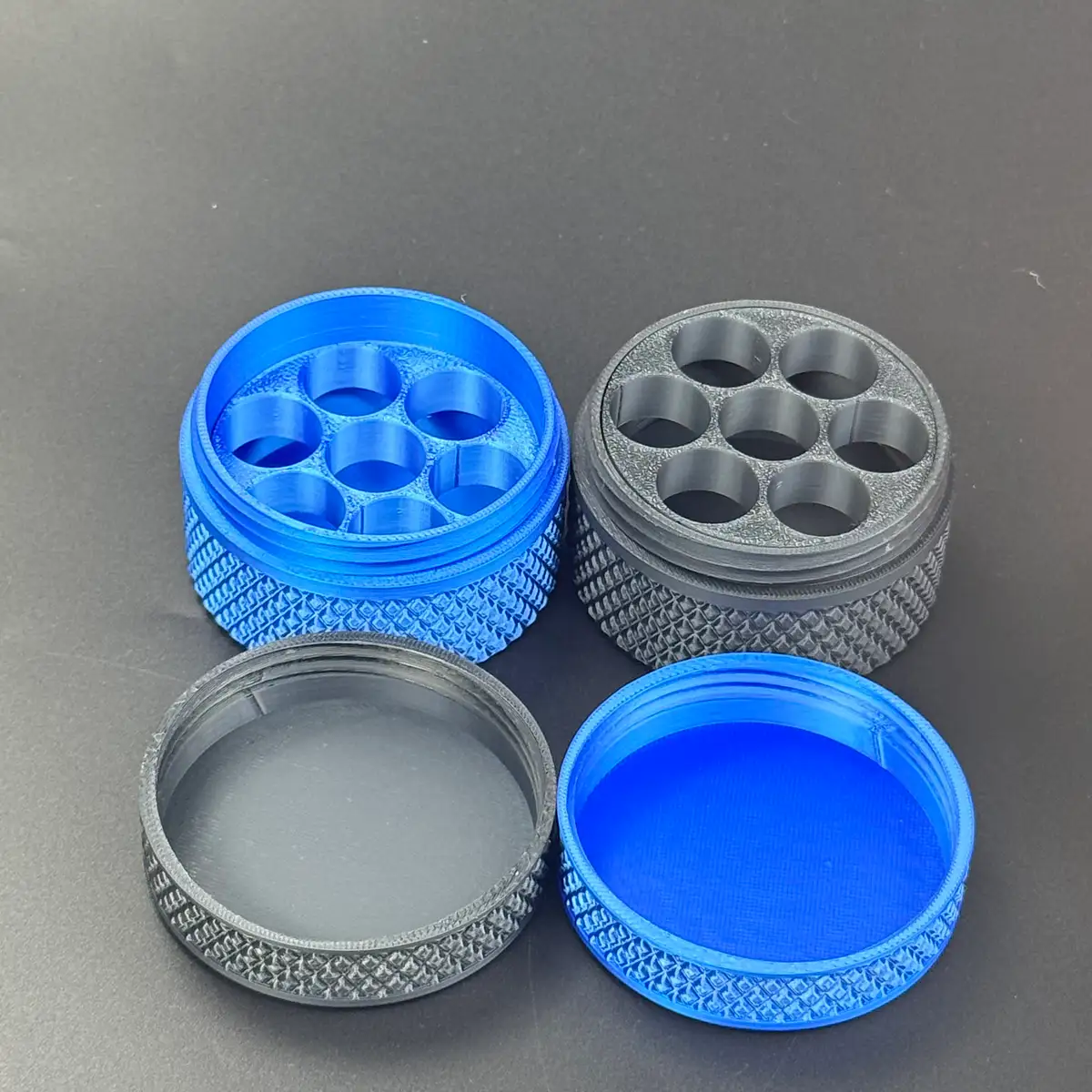
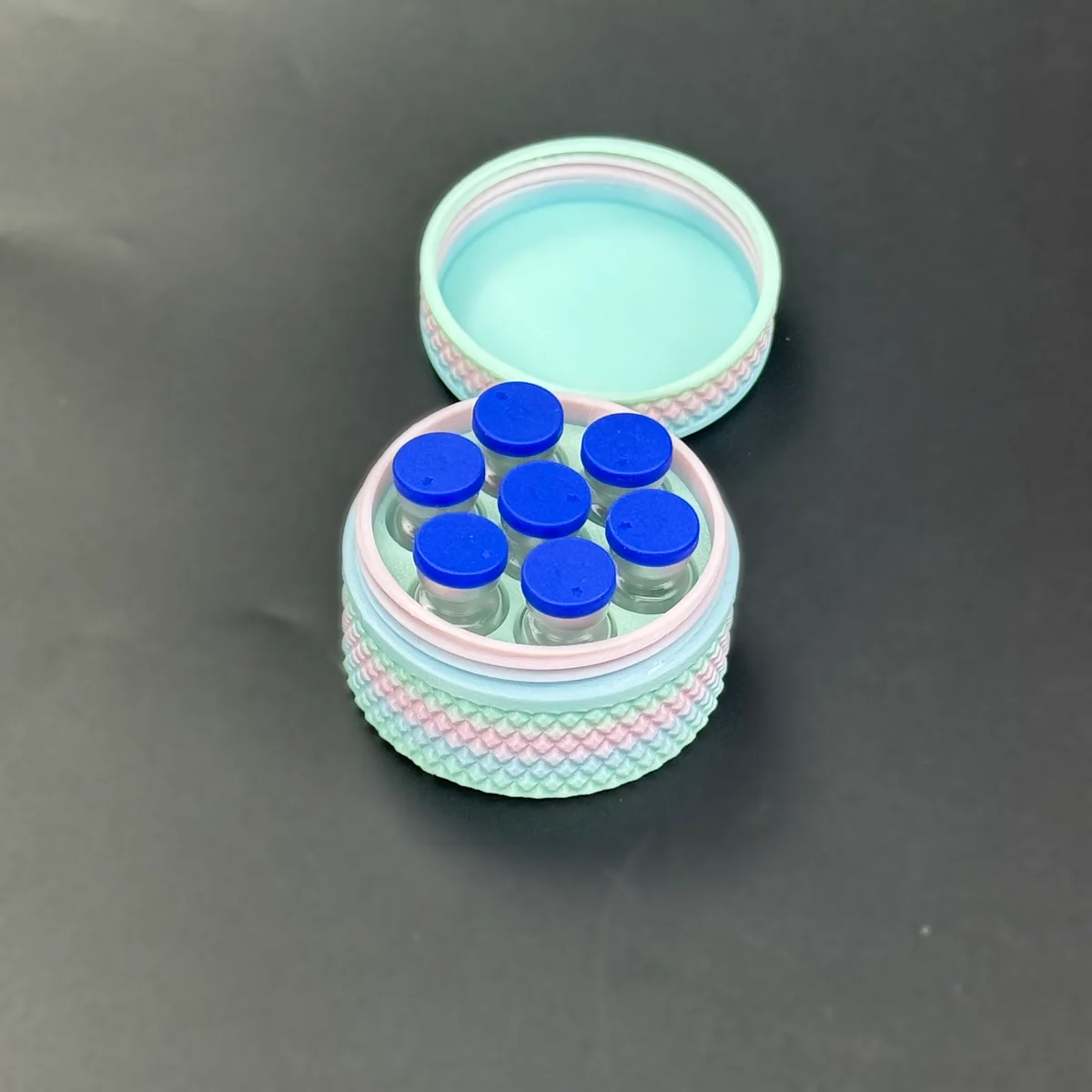
The tray is one printed piece. Seven pockets in a honeycomb layout, one in the middle and six around it, each bored to 17 mm. It sits in the shell and lifts out with two fingers. Nothing is glued and nothing clips, so it goes back in the same way it came out.
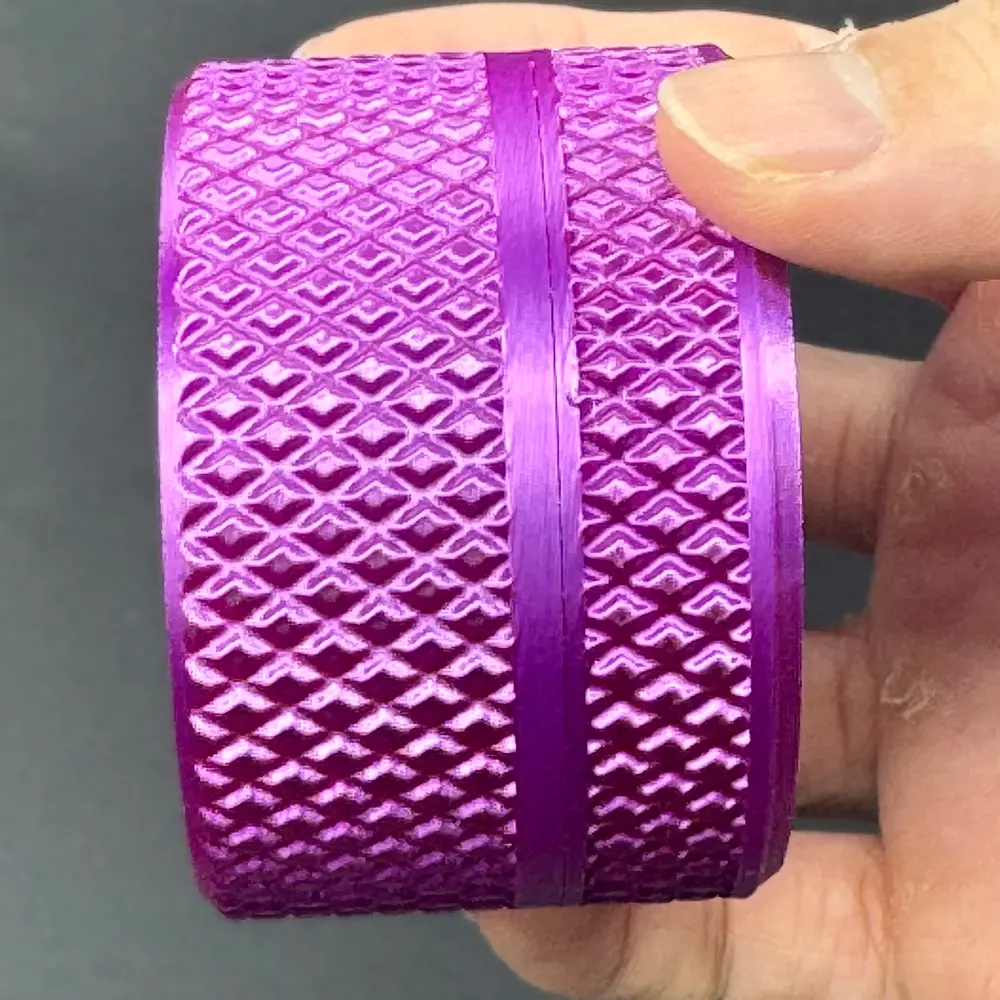
The lid is a plain screw thread, nothing clever about it. The band around the lid is knurled, so your fingers have something to hold when the thread is tight.
That is the whole mechanism: no tools, nothing that can be lost, and nothing to figure out. Which is why the easiest place to start was the two gradients. They already look like something in motion.
The swap I liked
Mint lid on one, orange lid on the other. Both looked fine as they came, and I just wanted to know what they would look like crossed.
It took four moves, and the whole time I expected it to look like a mistake.
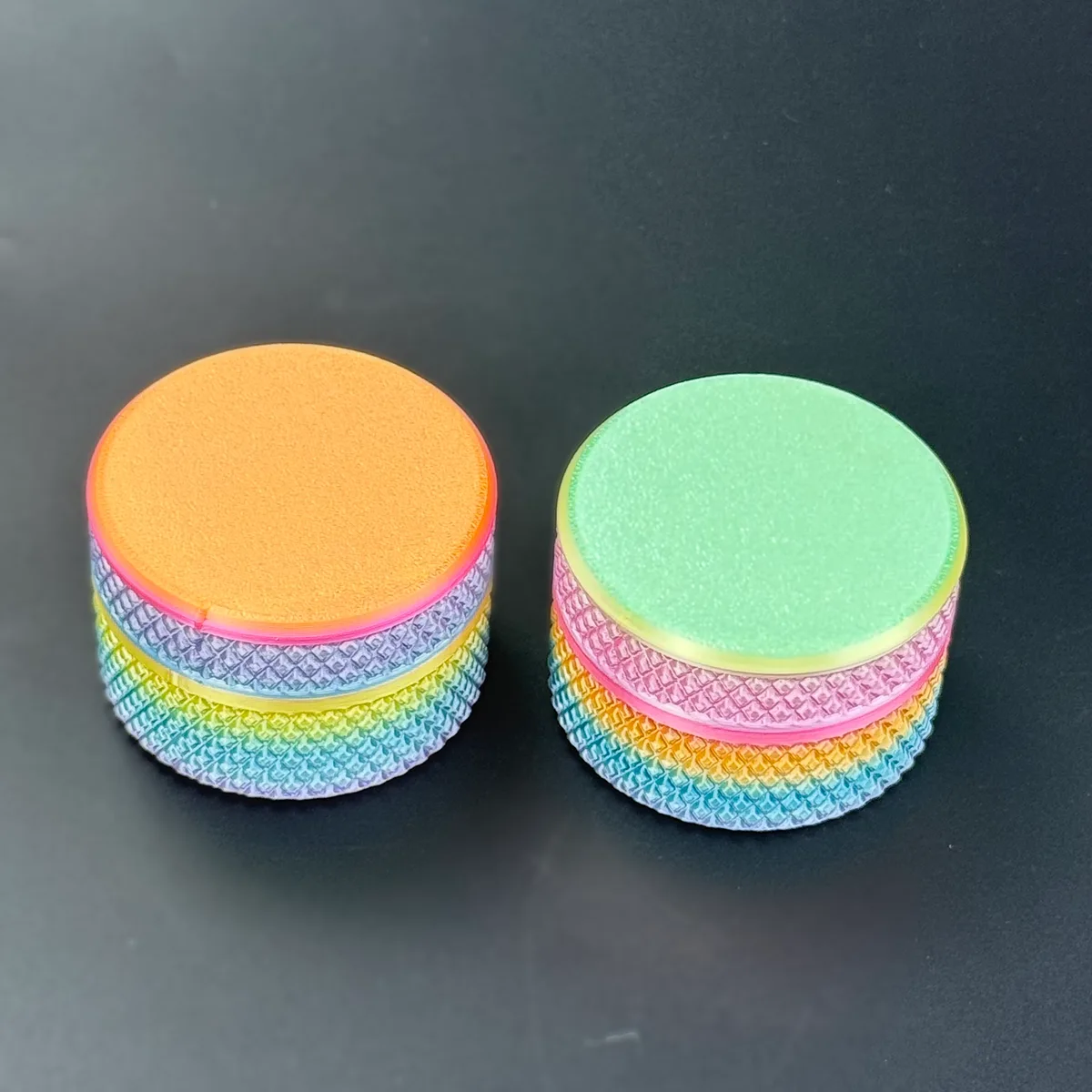
- Start with both cases closed, as they ship.
- Unscrew both lids. Two trays appear: yellow on the left, purple on the right.
- Put each lid on the other shell.
- Screw them down.
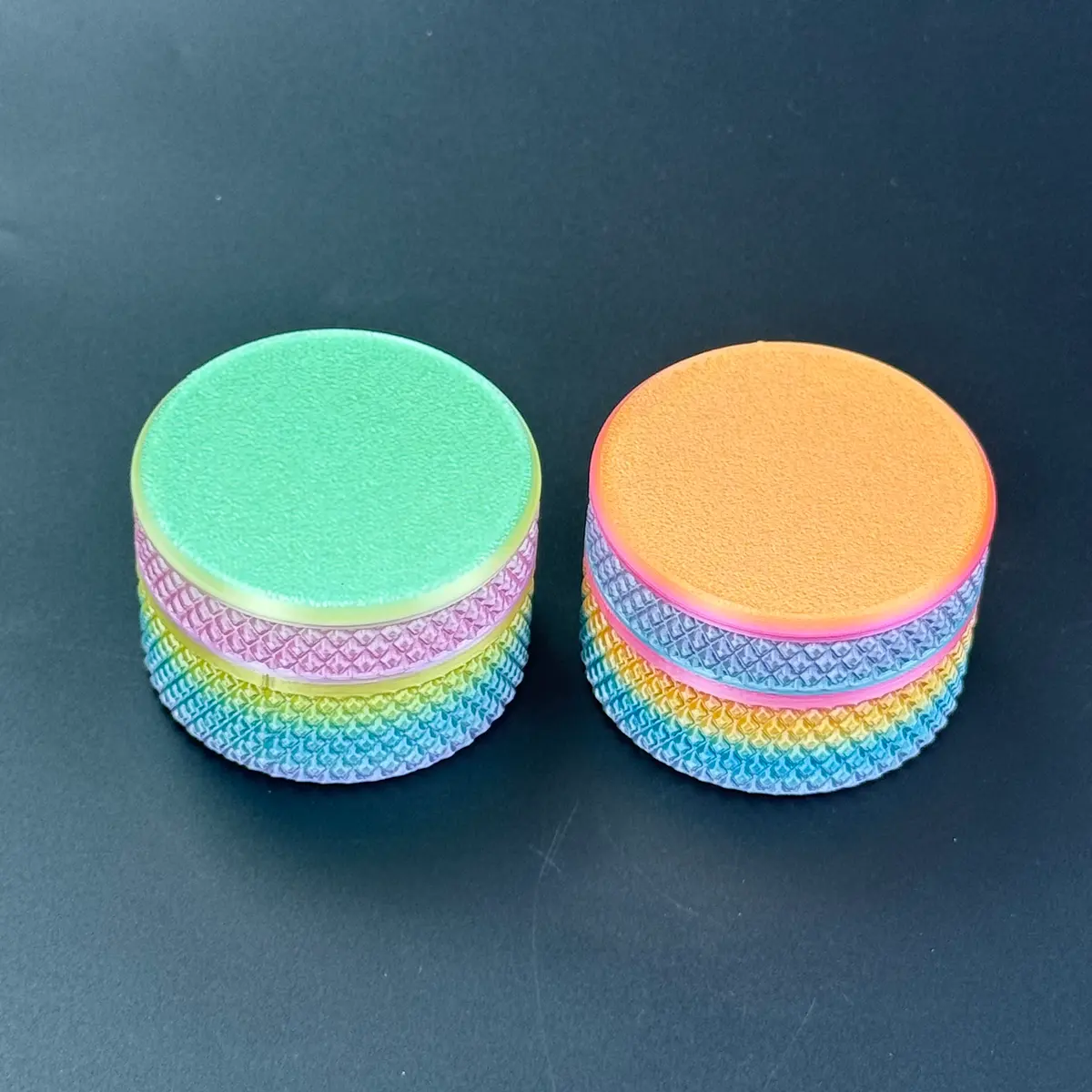
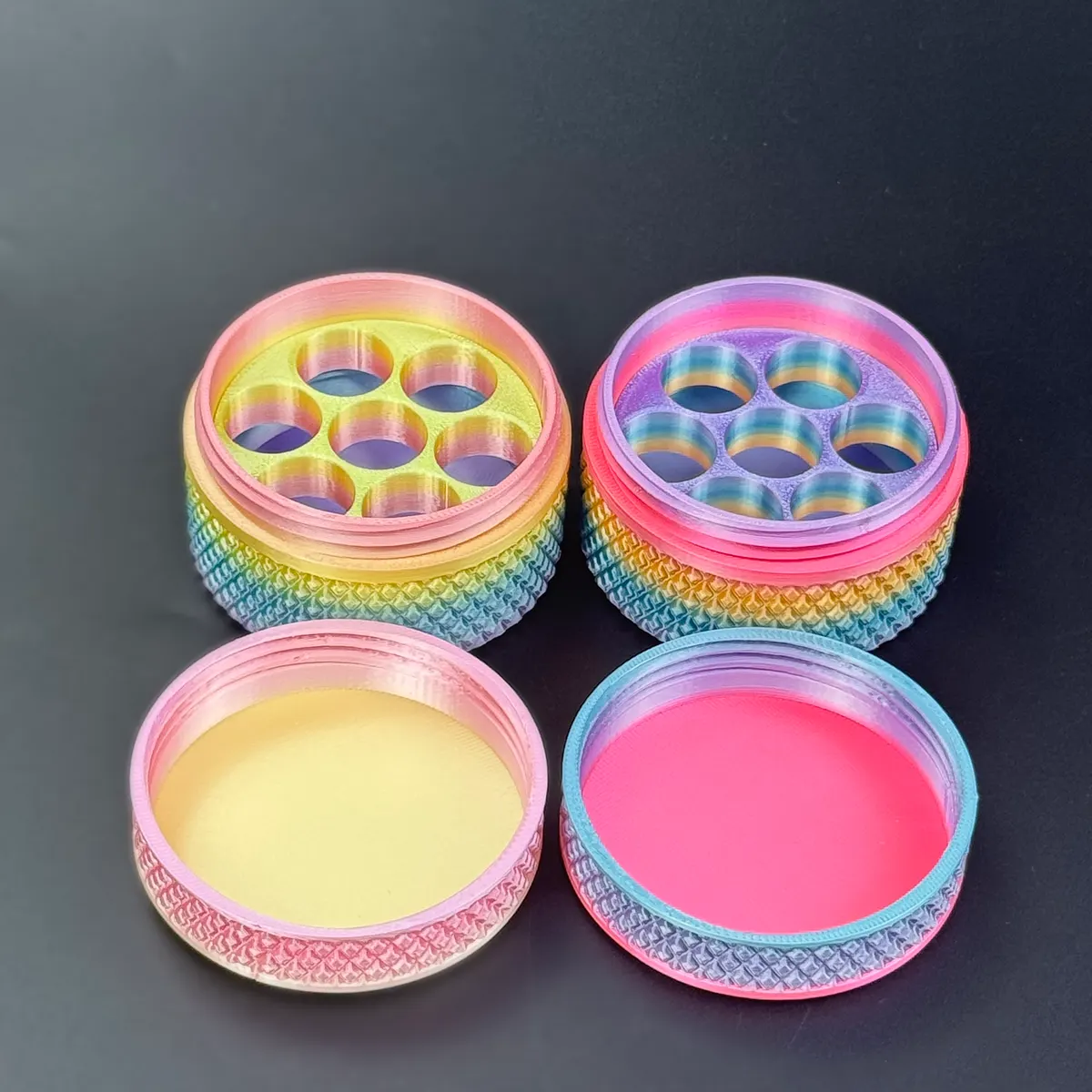
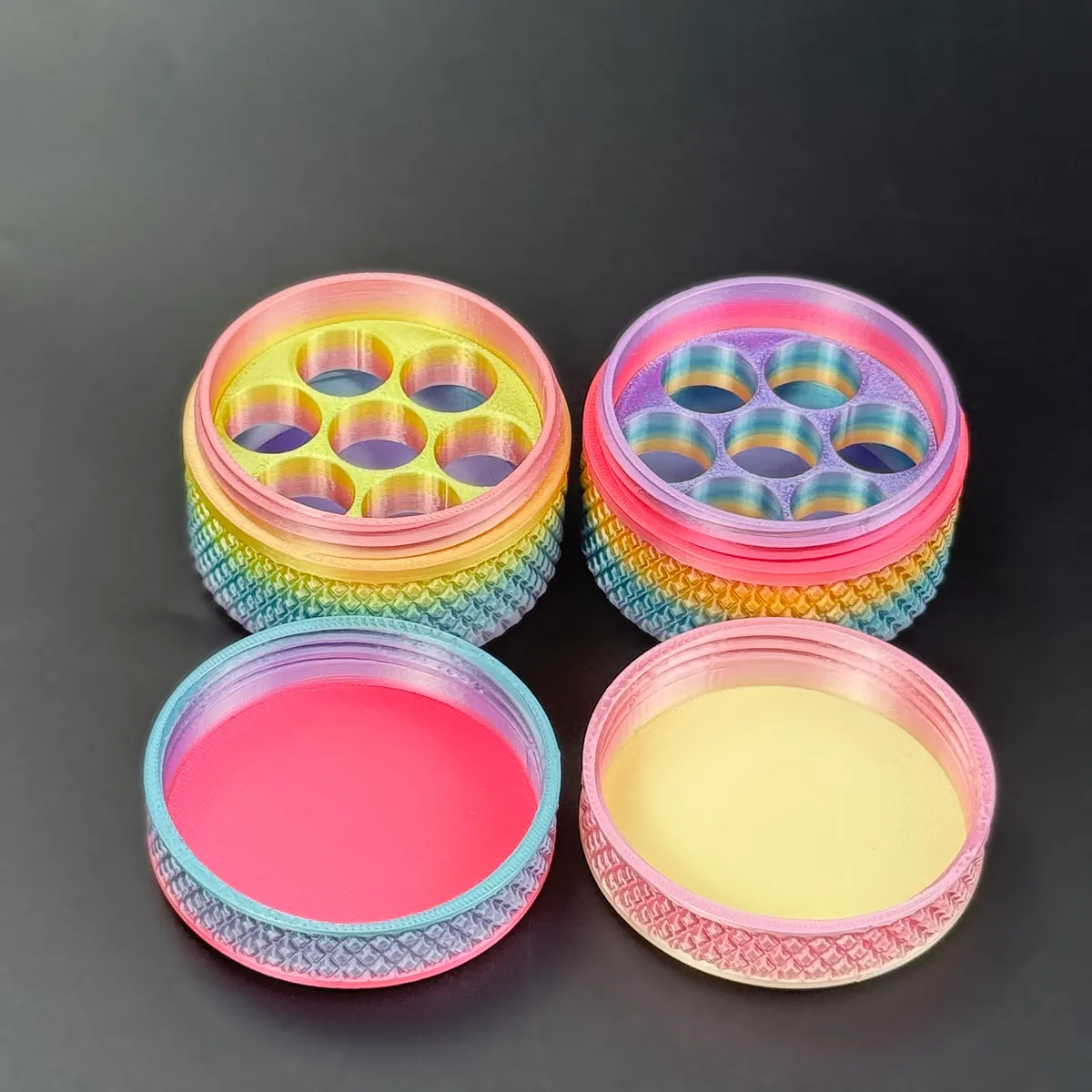
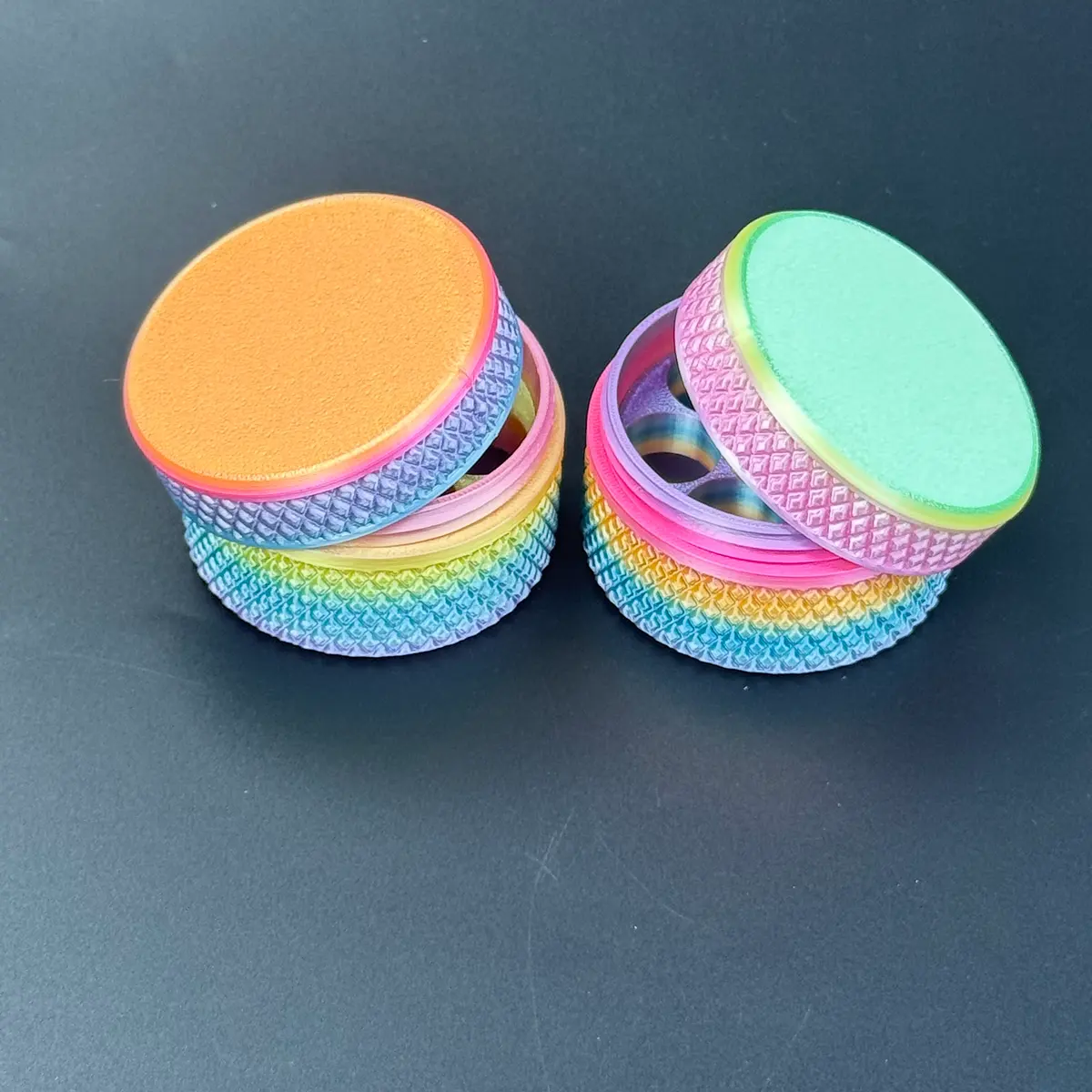
Then I did the same with the trays, because they come out just as easily. Yellow tray into the purple-lined shell, purple tray into the yellow-lined one.
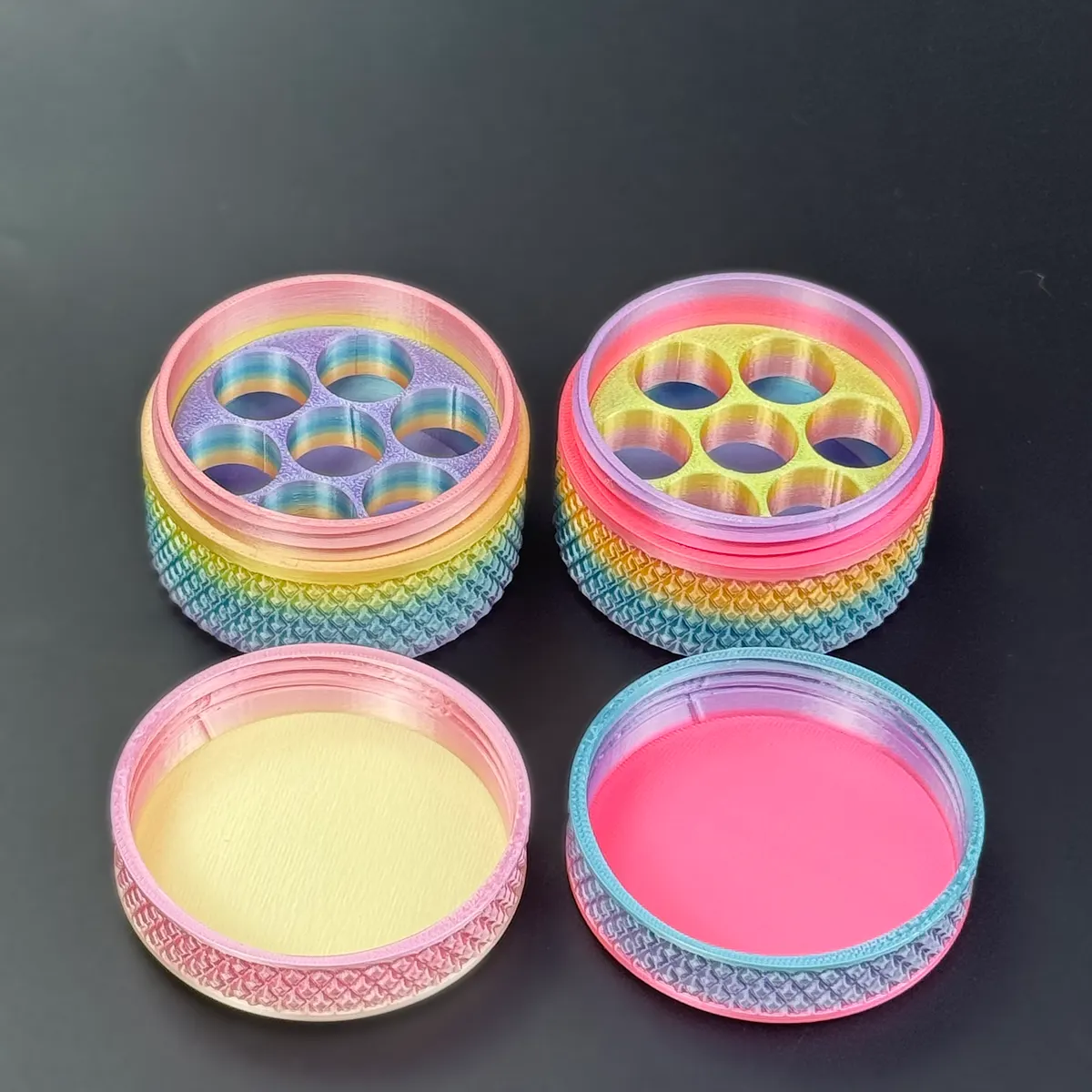
What surprised me even more is that they don't look off at all. They look like they were designed this way from the start. Nobody would guess that lid came off another case. This is the version I would actually ship.
The swap I didn't
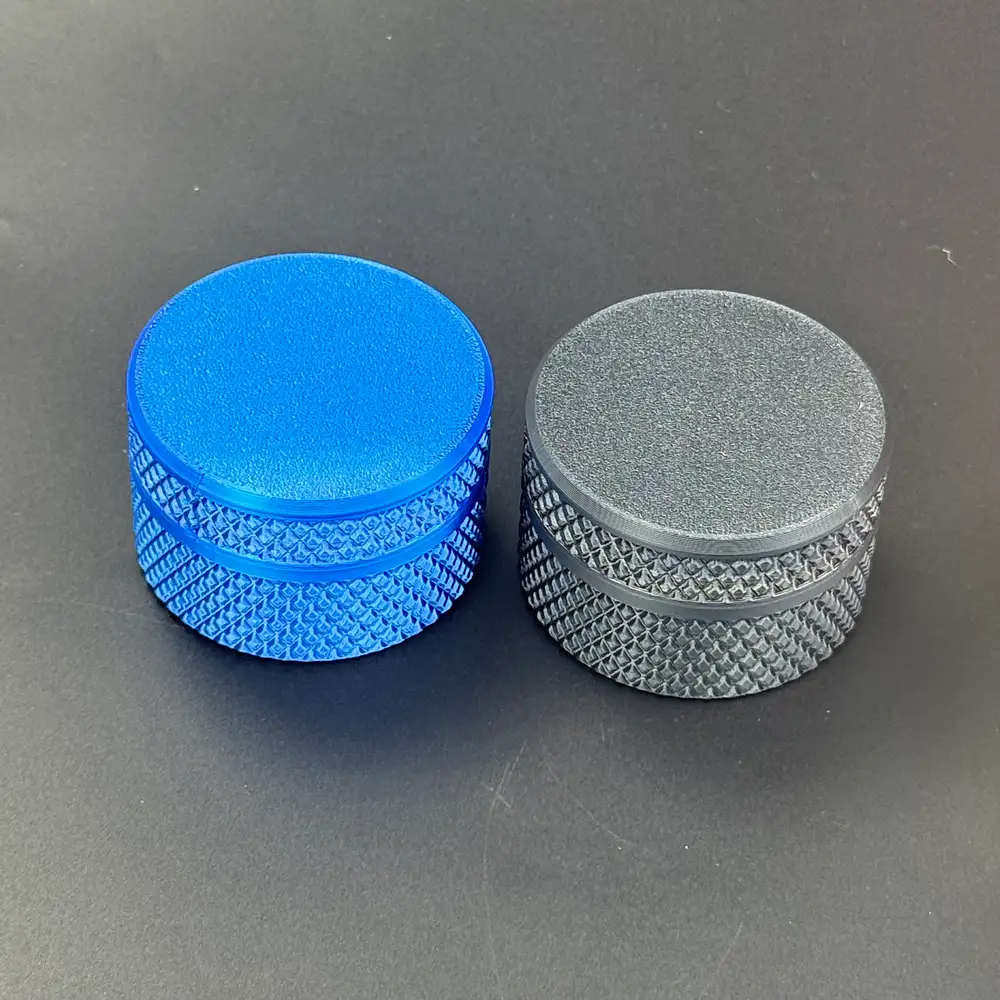
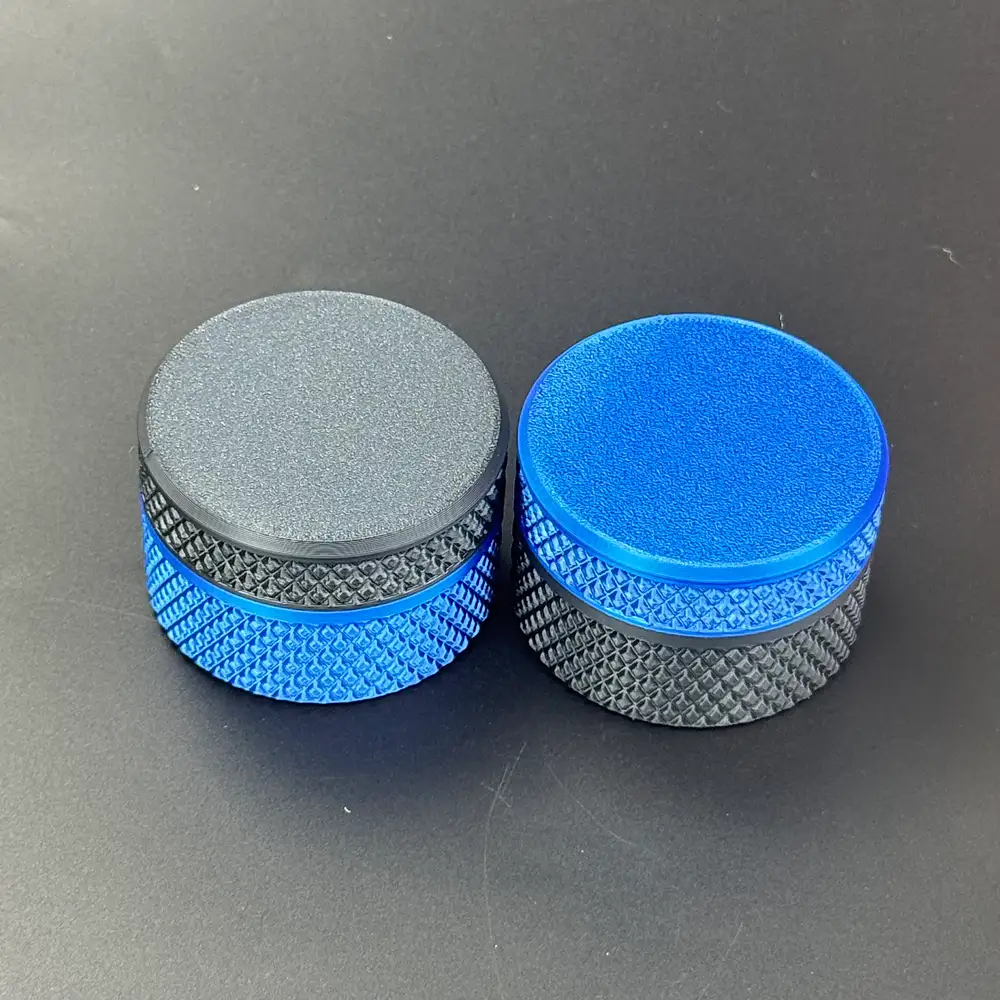
That went so easily that I assumed every pair would work, so I moved on to the two quietest colours I had: one blue case, one grey case. Two quiet colours crossing over should stay quiet.
It didn't.
Blue shell with the grey tray, grey shell with the blue tray. I expected it to look wrong. I did not expect it to look this wrong. It doesn't read as a bad colour choice so much as two different products that got mixed up in the same box. I have looked at it several times since, and my opinion has not moved.
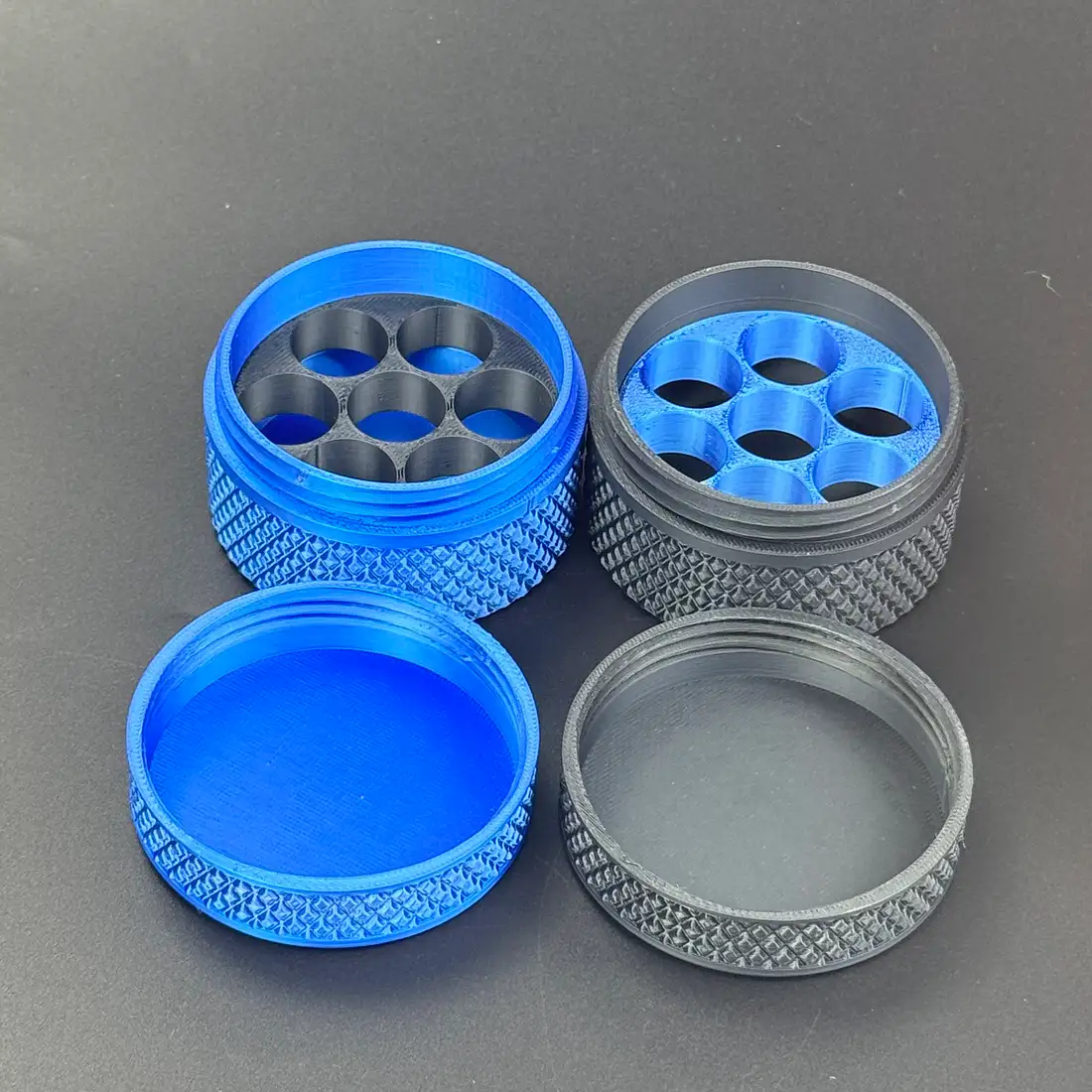
What the failed swap taught me
Nothing about the case changed between the two swaps. Same thread, same pockets, same four seconds of work. The part I still find strange is that the second one is not a worse product. It is the same product, put together in a different order. The only variable was which colour sat where. The tray comes out of the blue case exactly as easily as it comes out of the gradient one, and every part fits every other part. So "wrong" is not something the case knows about. It is my taste, applied to an object that has no opinion.
Which brings it back to where this started. I called that build a failure, and I still think it is one. But that is my scale, not a fact about the case. Somebody else will look at the same three pieces and see something deliberate. I know this because I have been on the other side of it. There are colourways in this line that I would never pick, and customers order them by the hundred.
So the only rule I ended up with is this: if you like it, it is right. Everything else is somebody else's opinion, including mine.
And if you change your mind, it comes apart again in about four seconds. That is the reason mixing is safe in the first place, and it is also the reason it helps to know exactly what you are mixing.
The colours
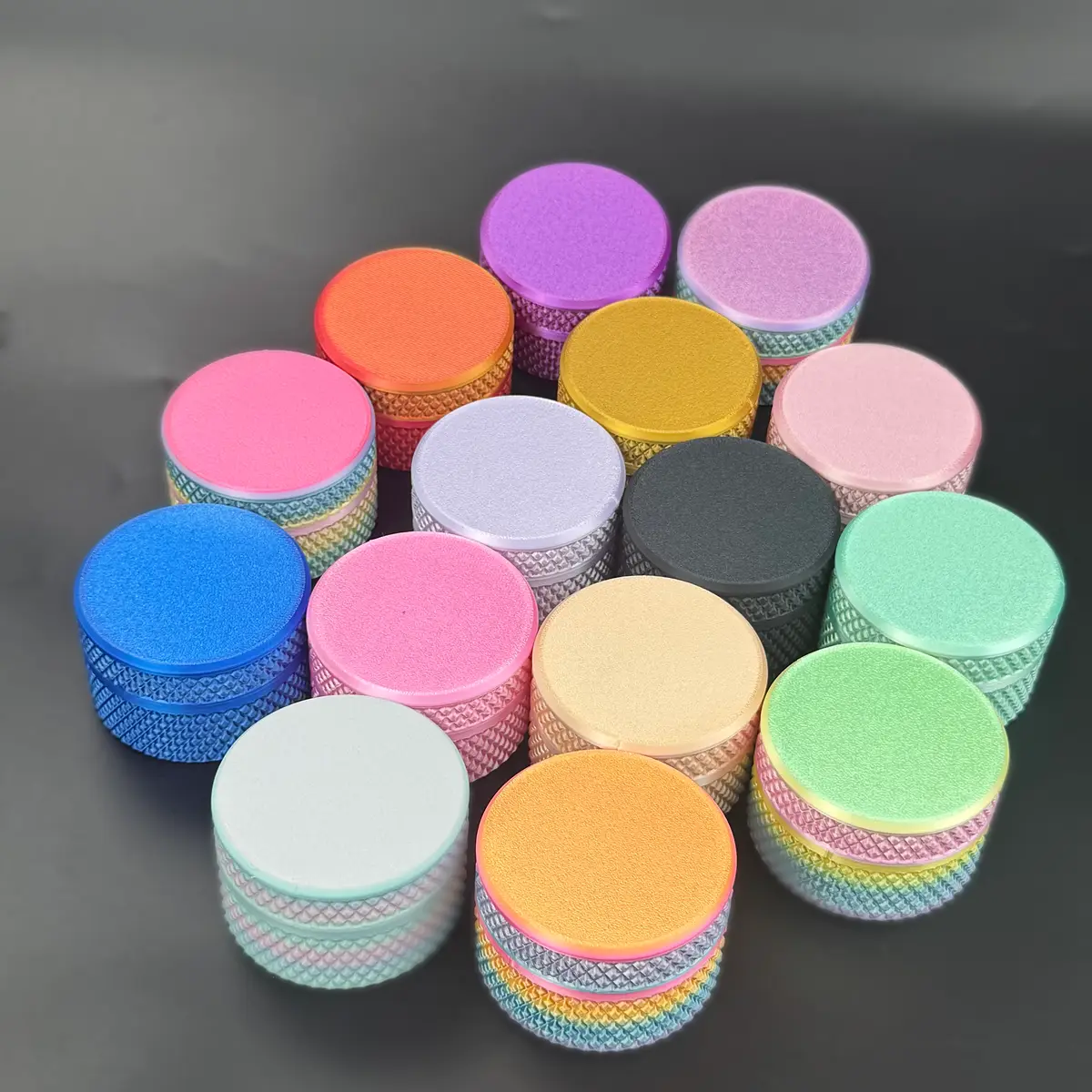
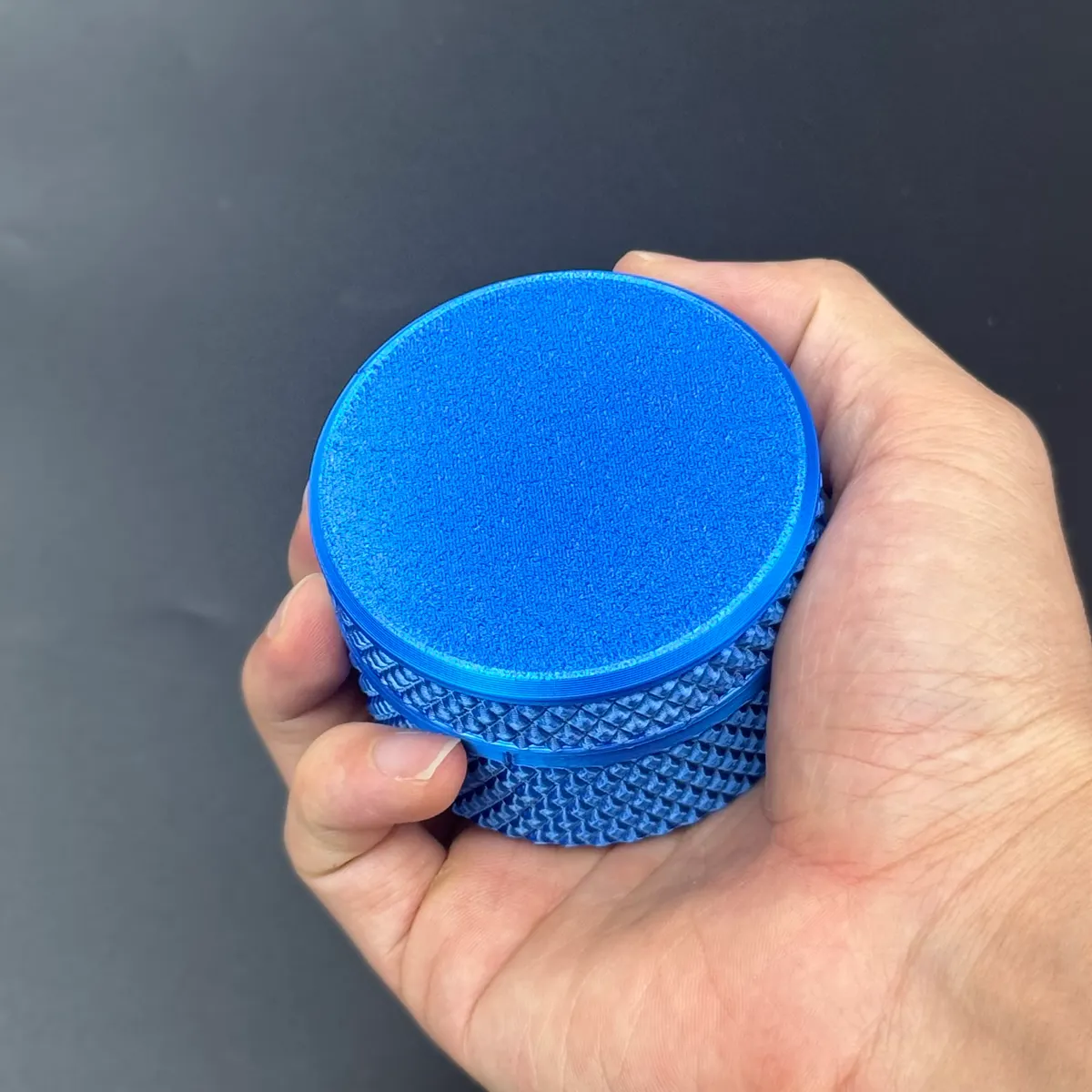
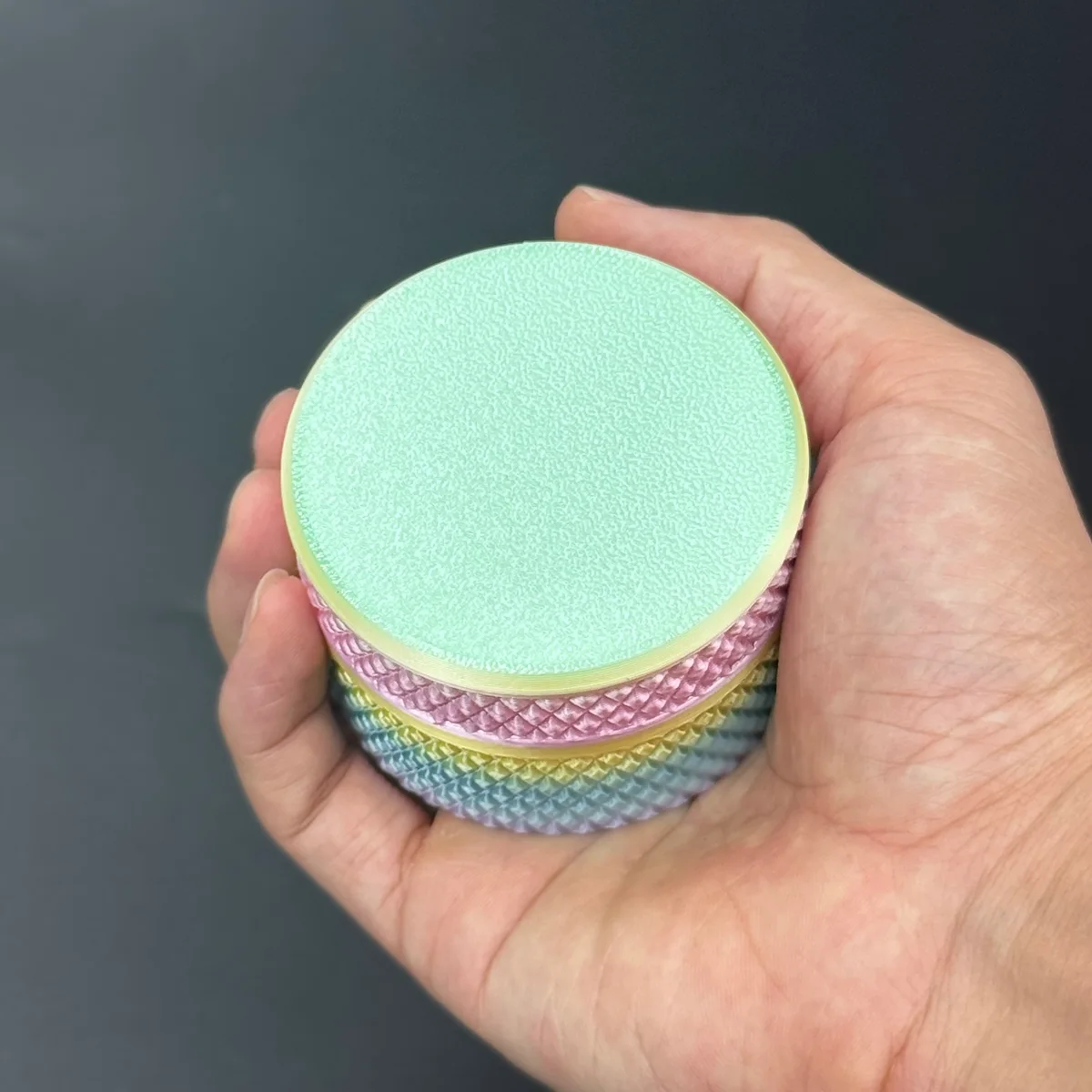
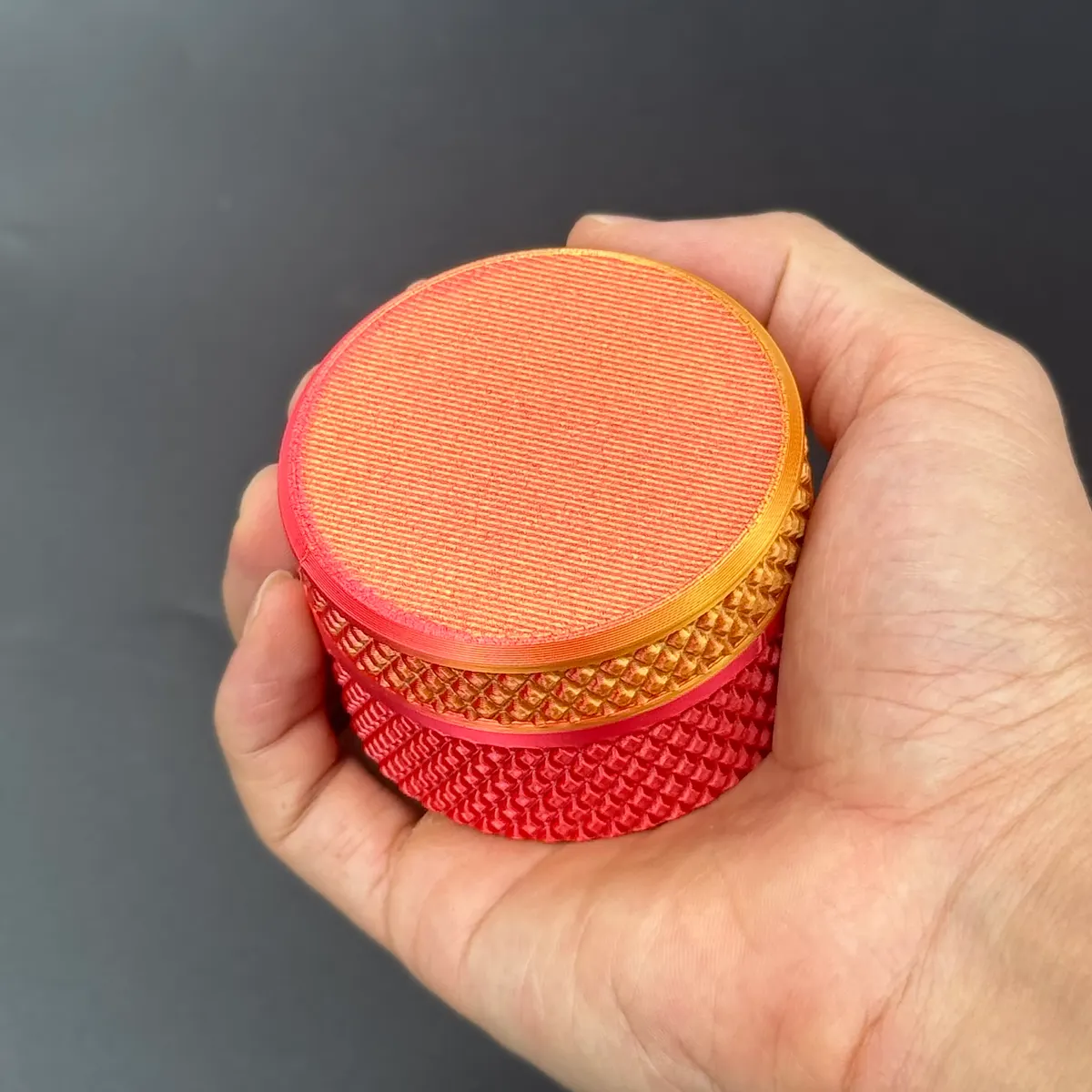
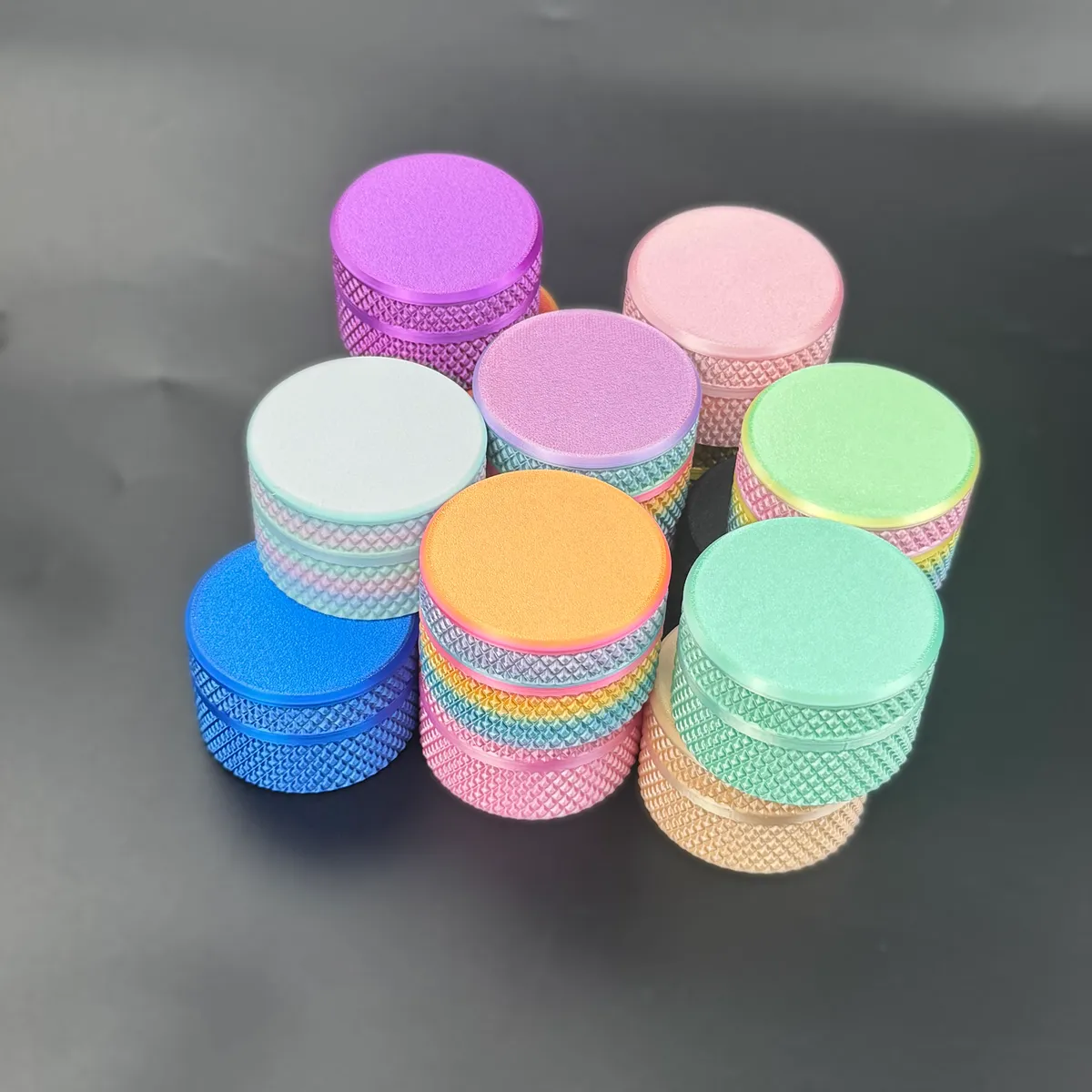
The thing that keeps surprising me is how different the same shell feels in a different colour. There are two families in the line. The rainbow gradients are printed in PLA, which is the material that blends colours smoothly. The solids are PETG, which we use when impact resistance matters more than colour. Same thread, same pockets, so any part fits any other.
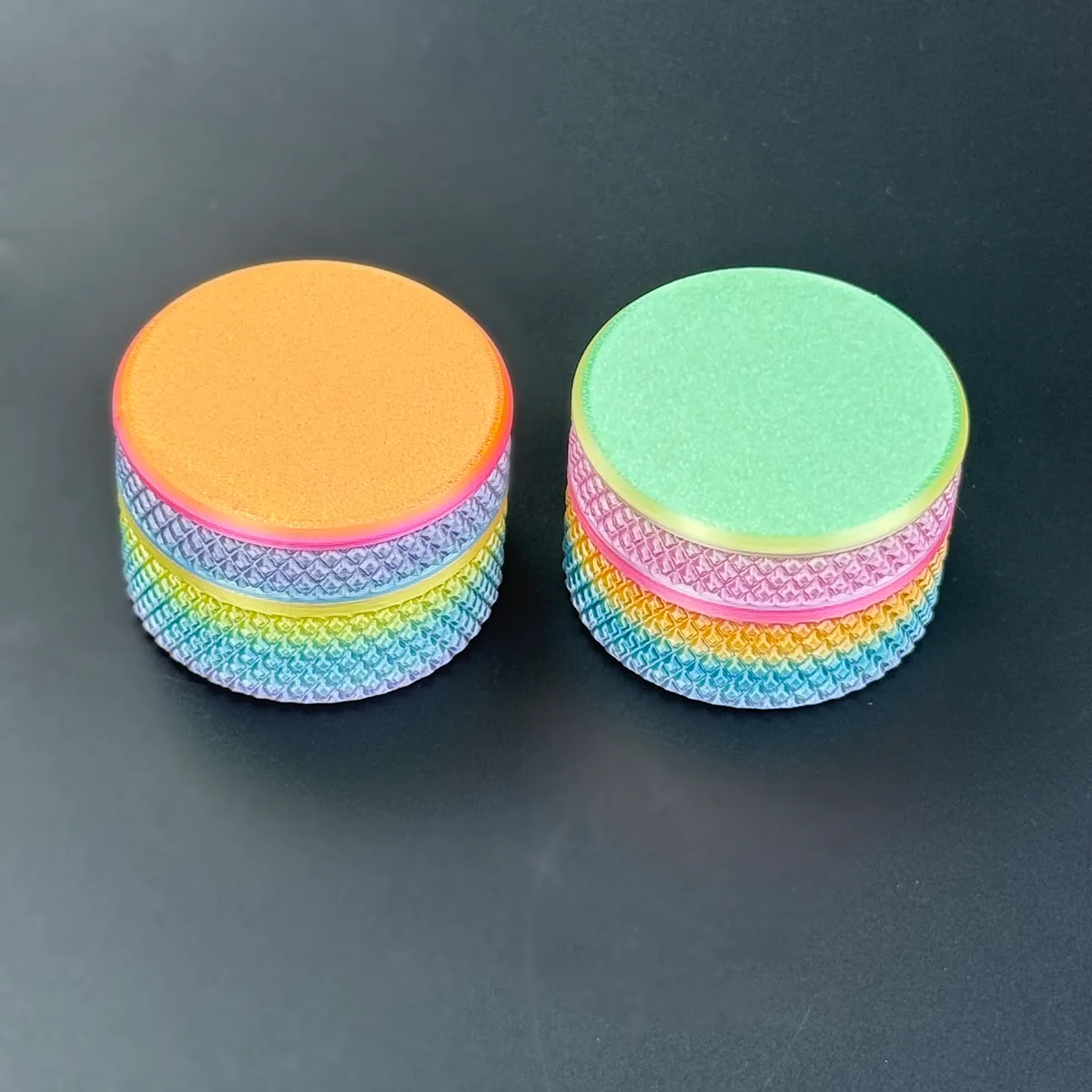
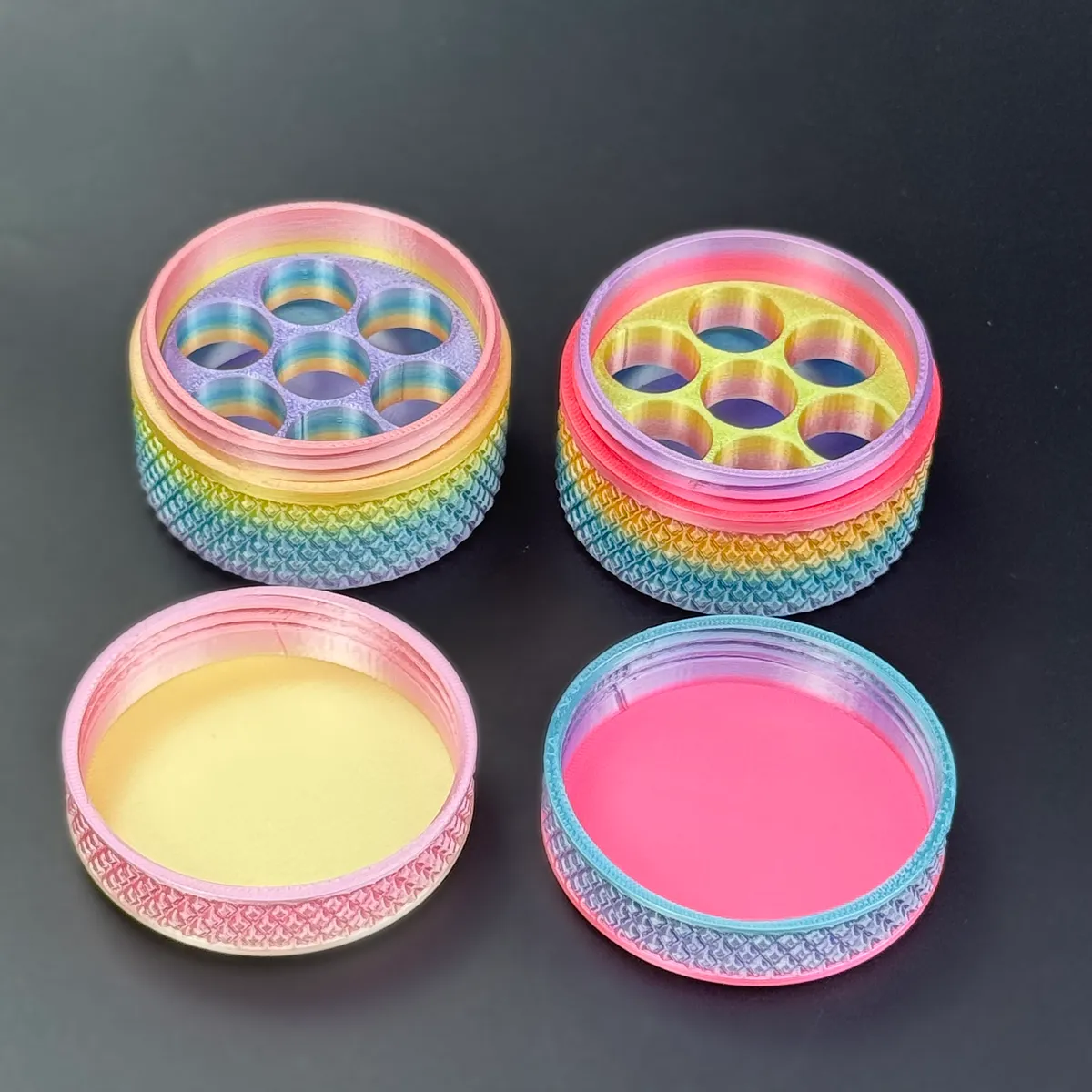
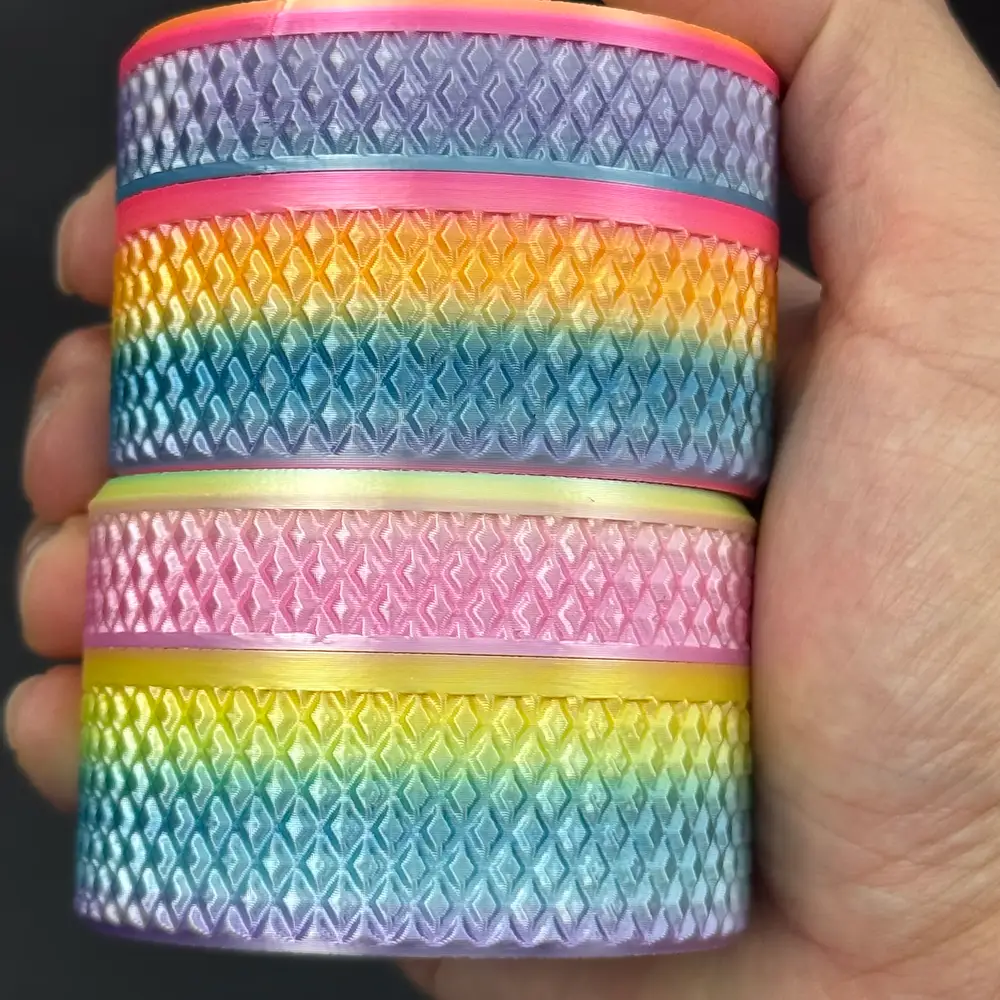
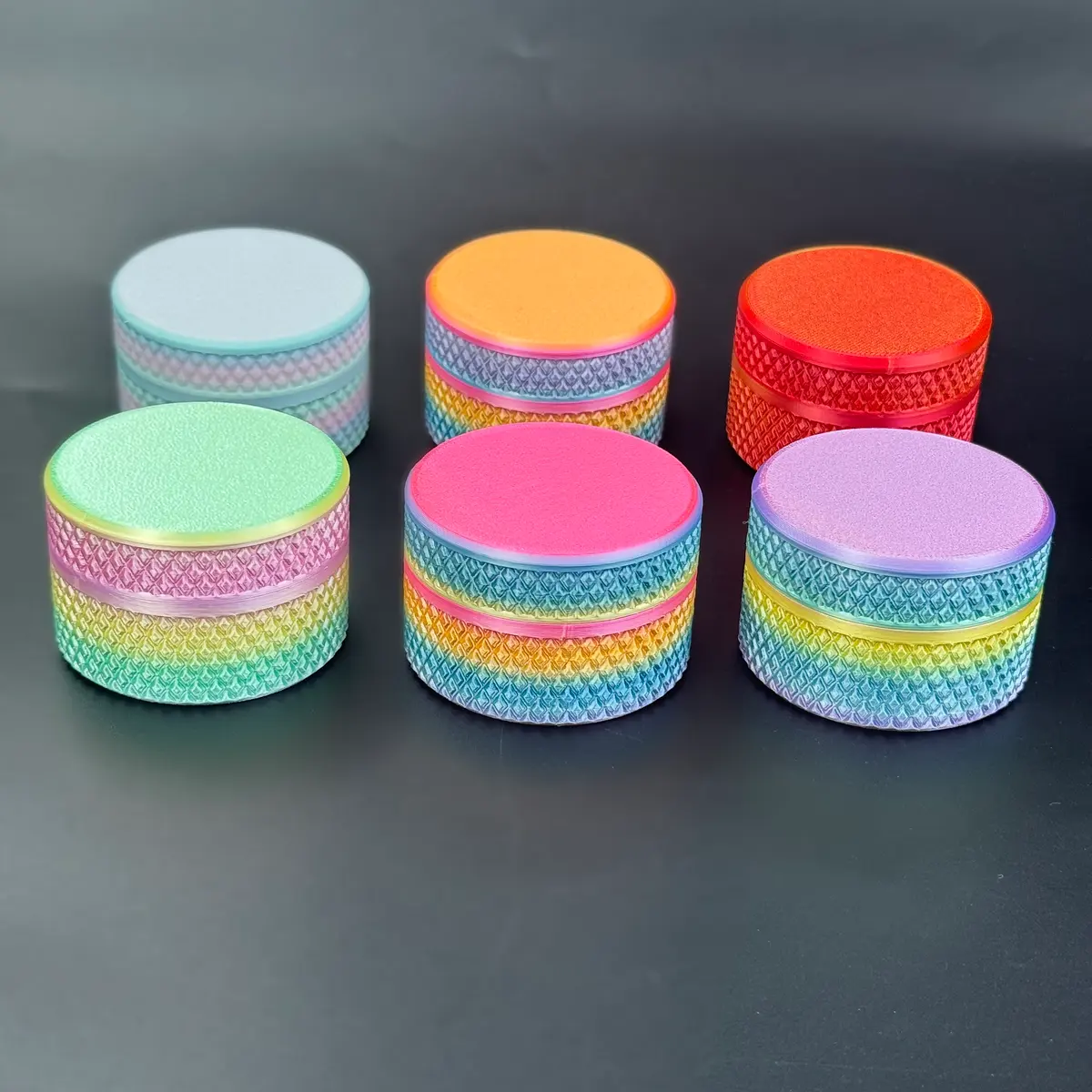
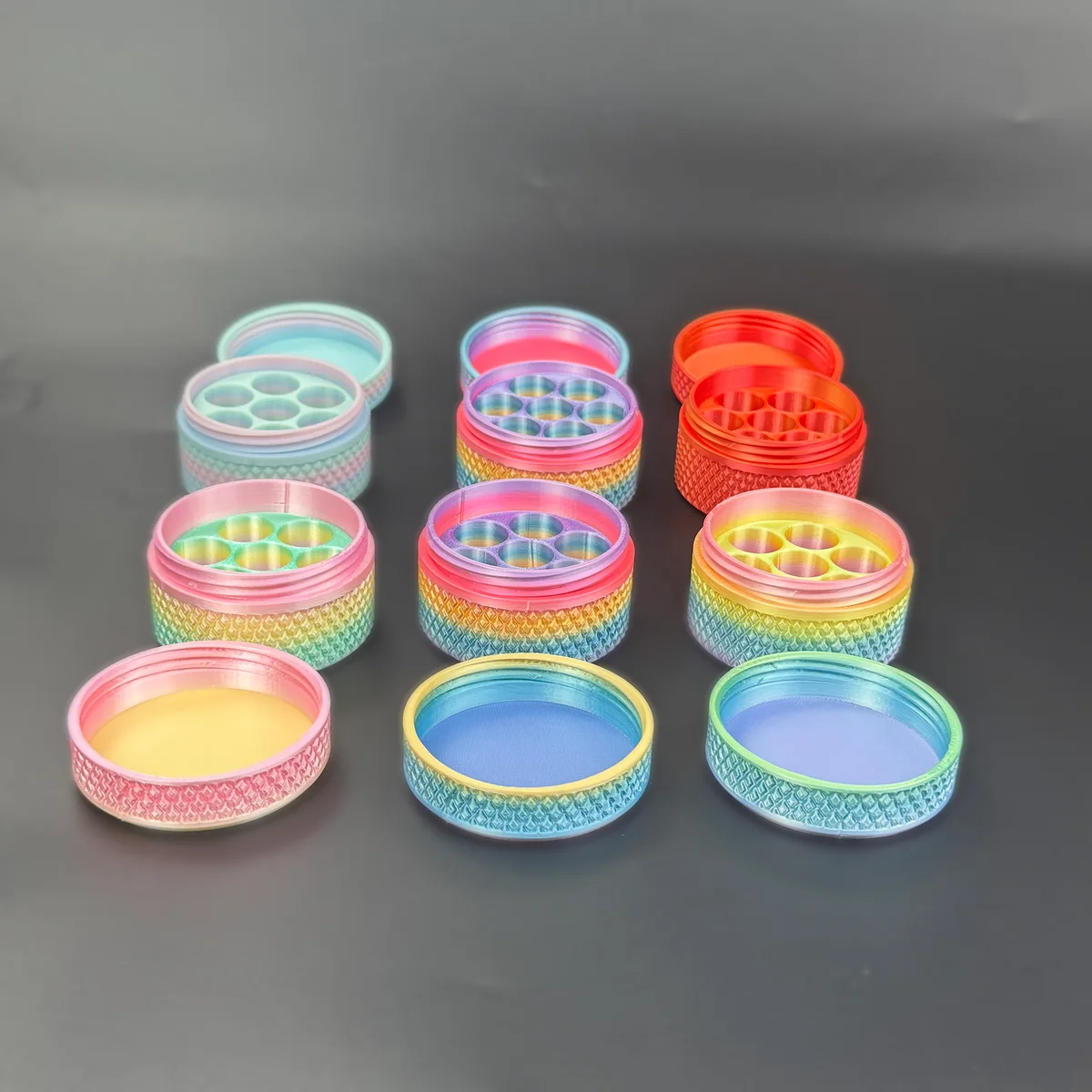
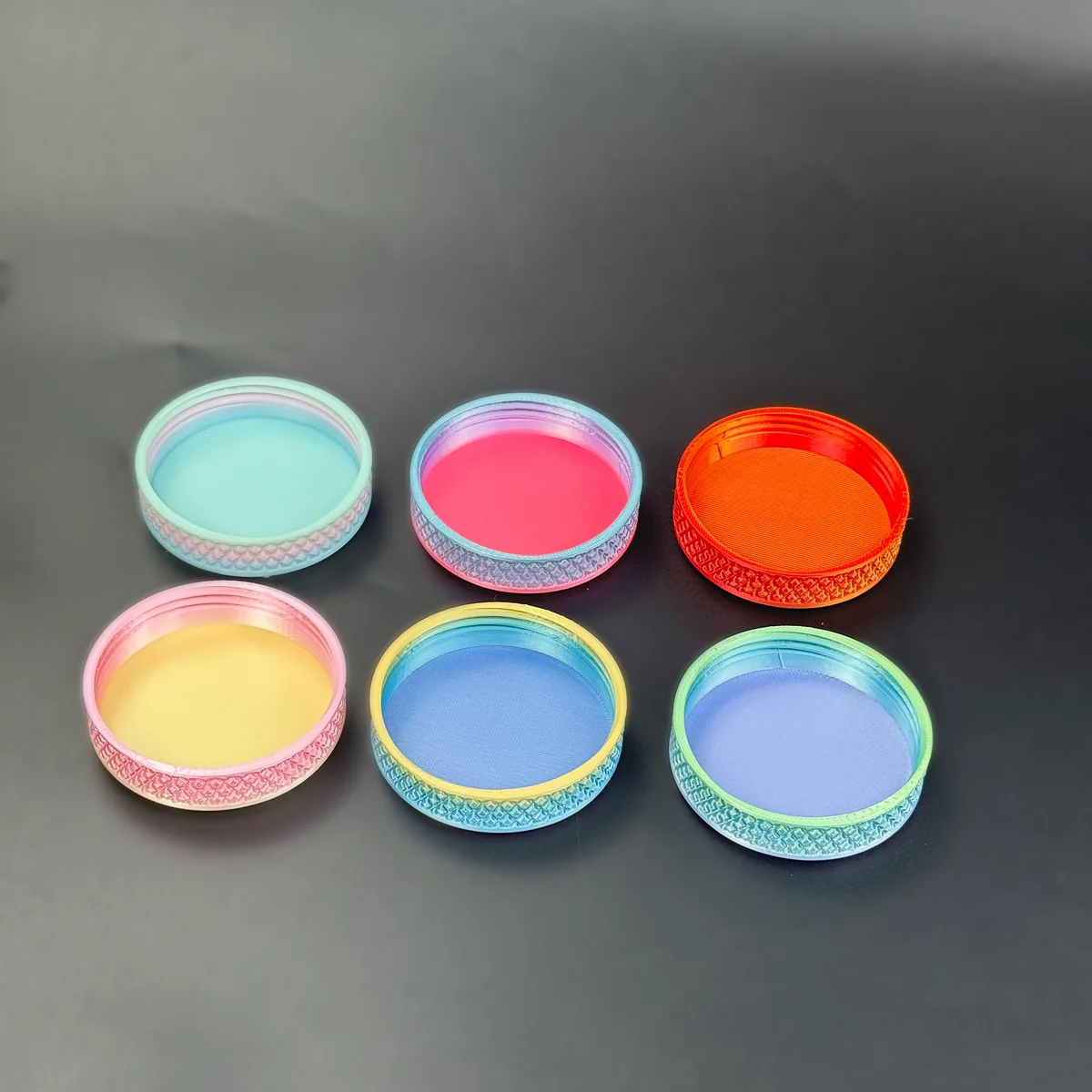
That is the gradient family. The solids are the other half of the shelf, and there are nine of them.
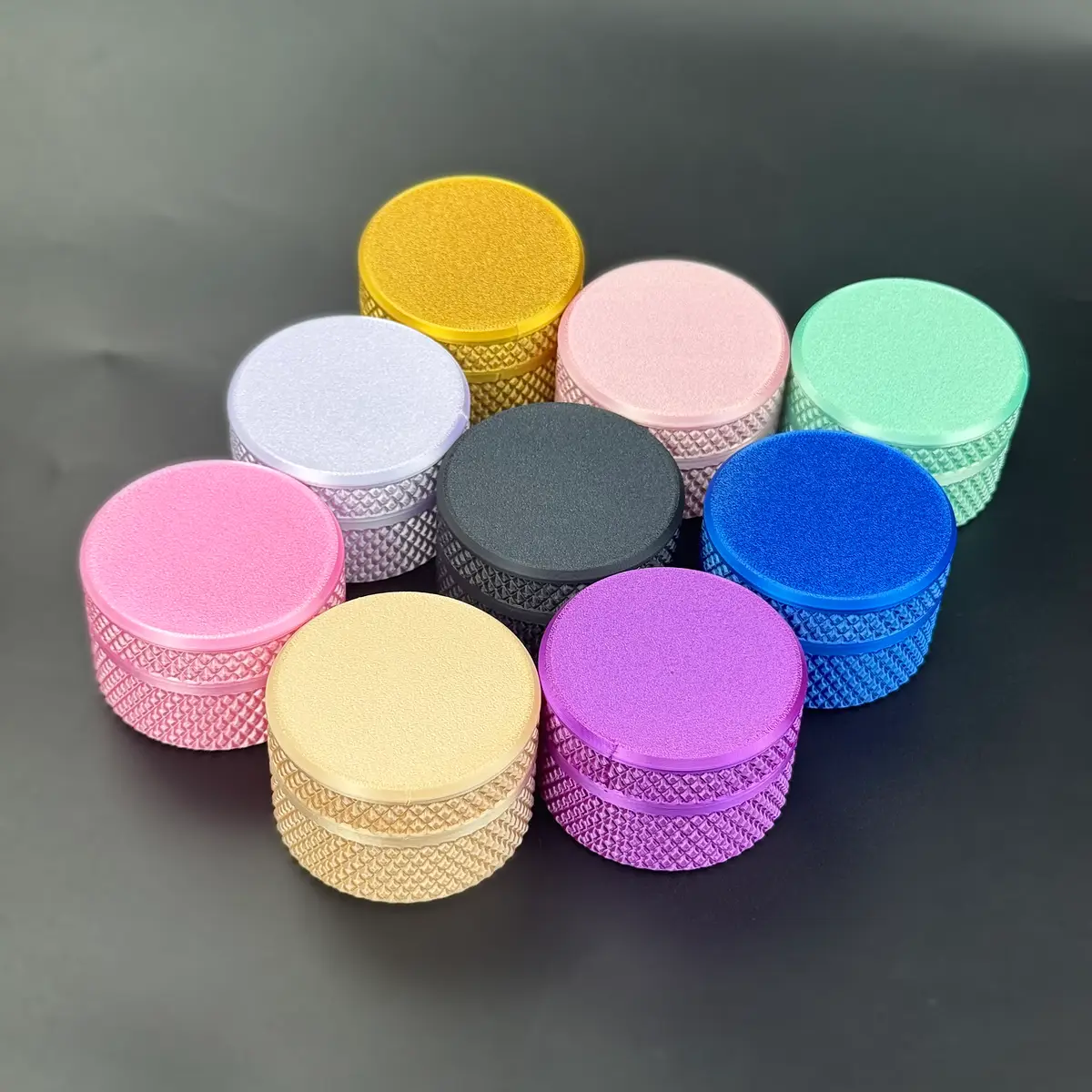
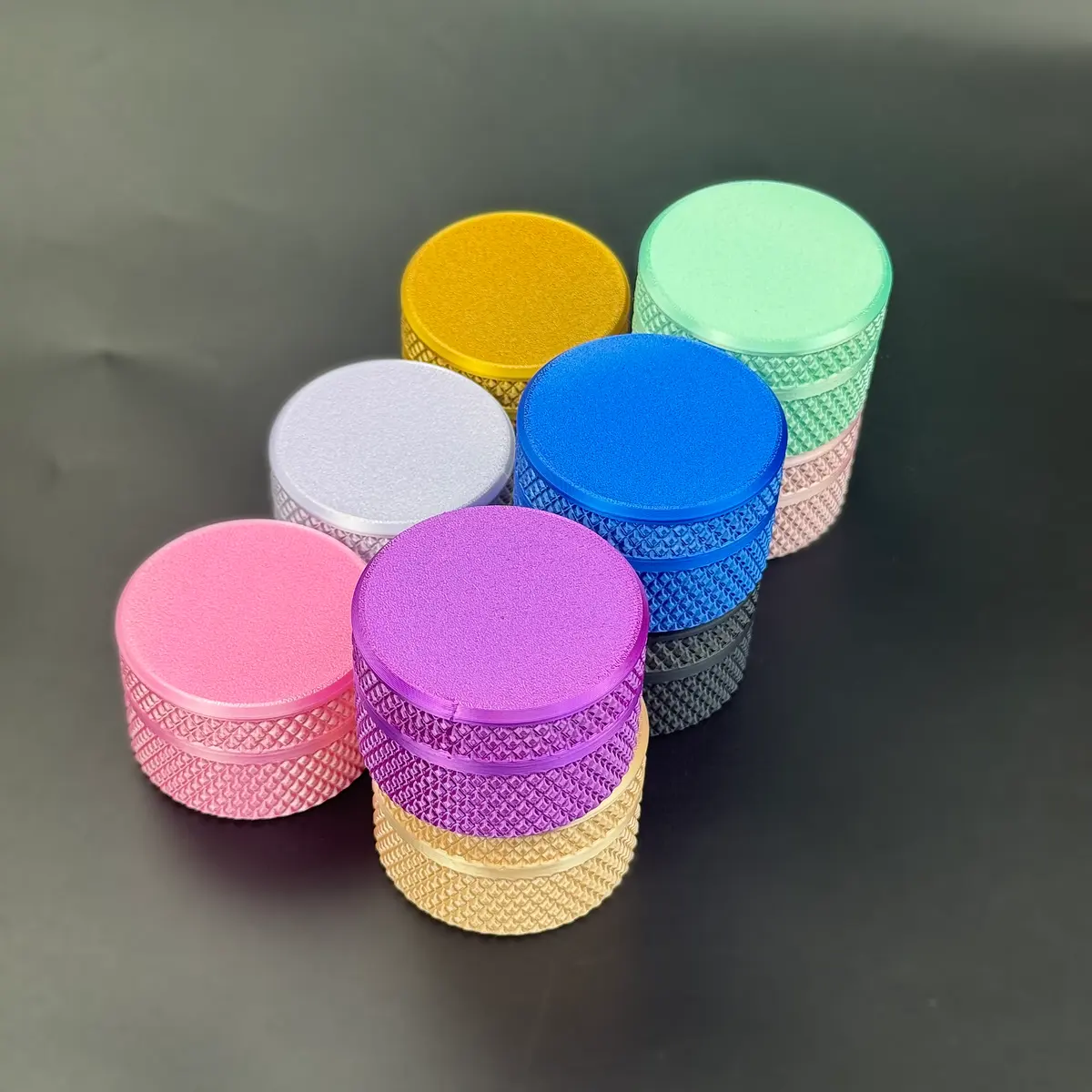
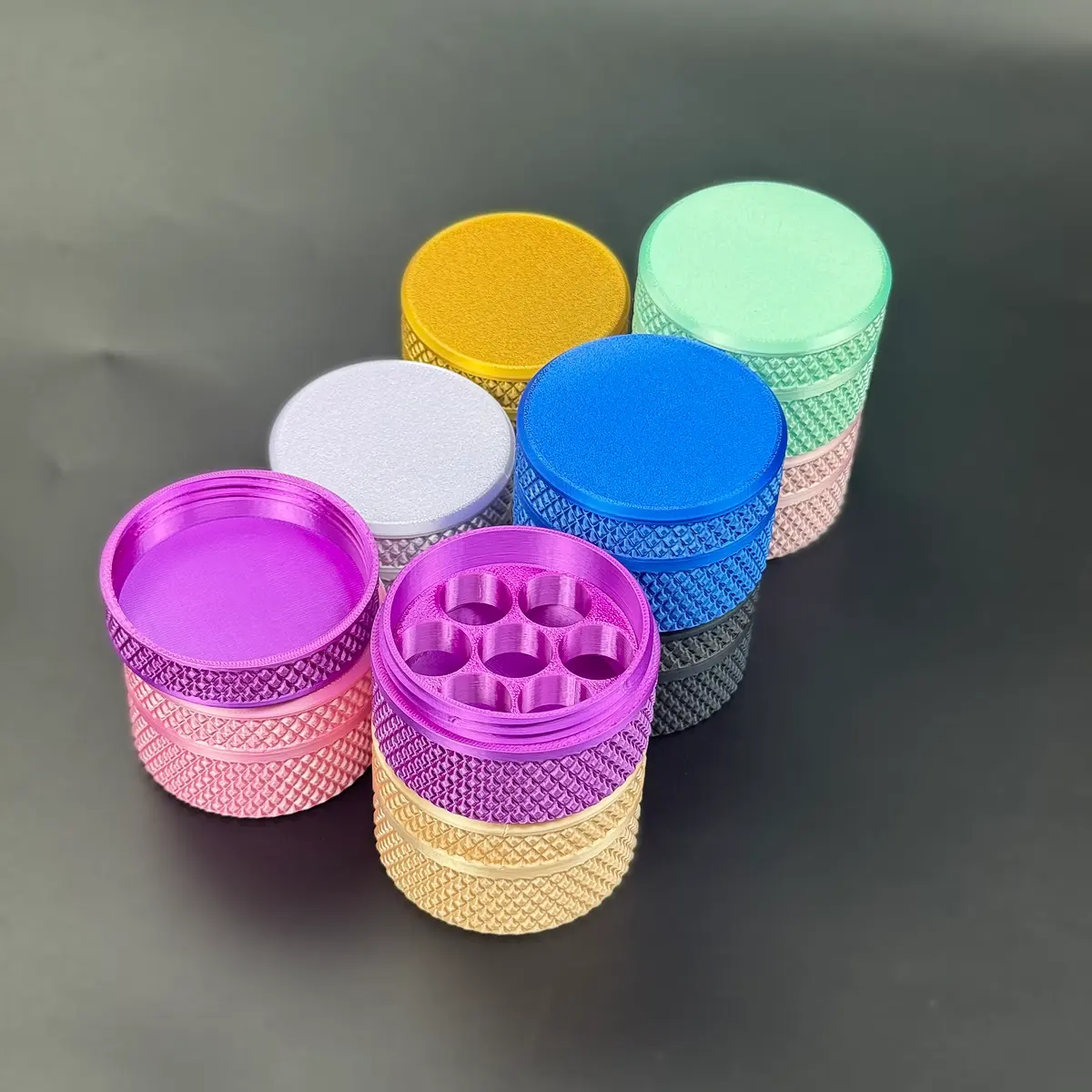
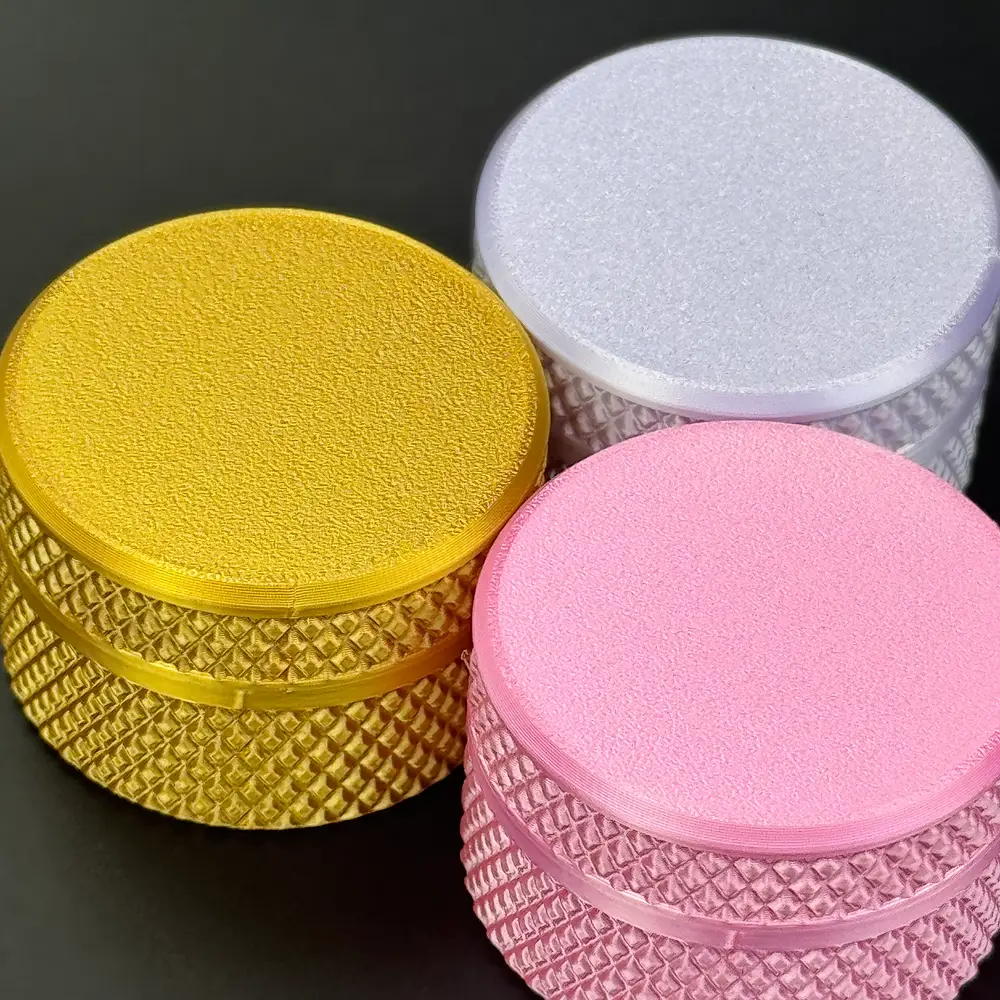
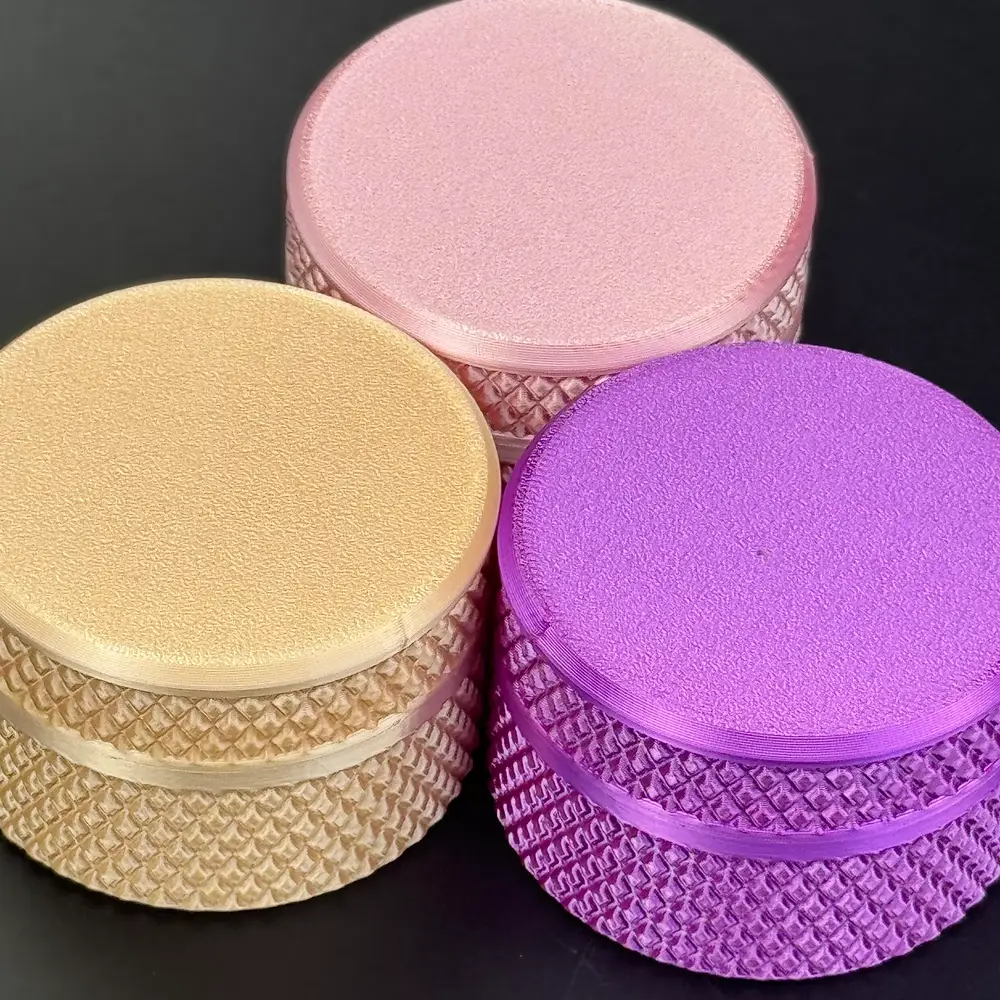
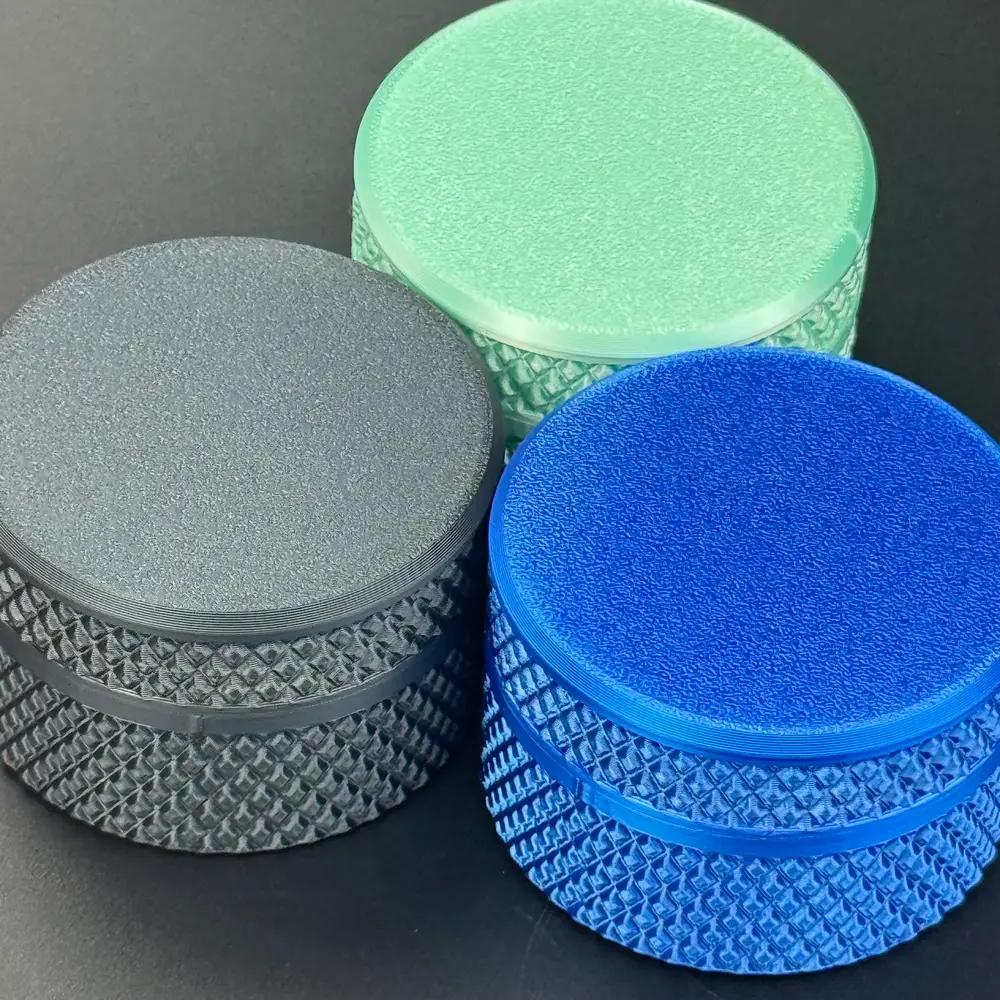
One at a time:
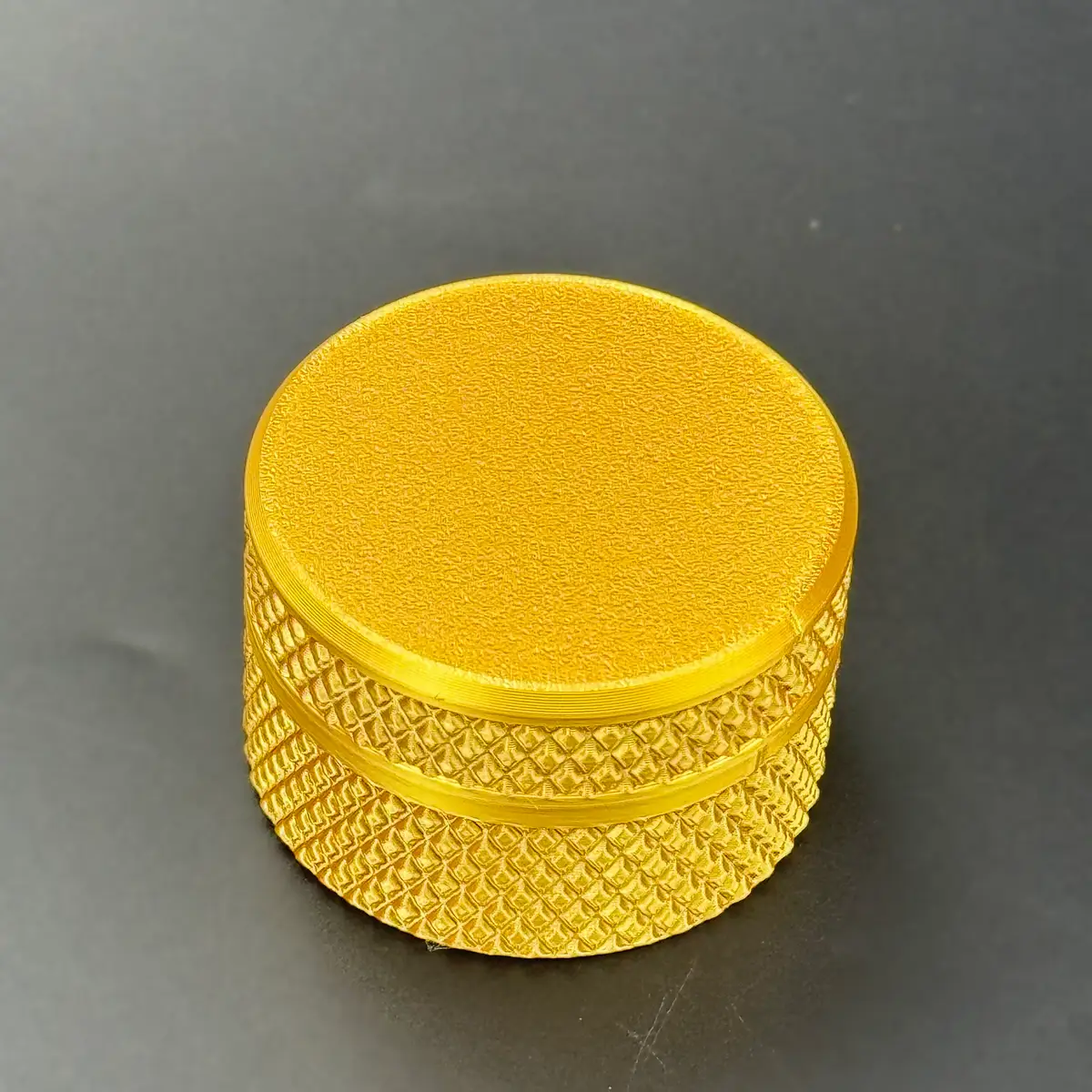
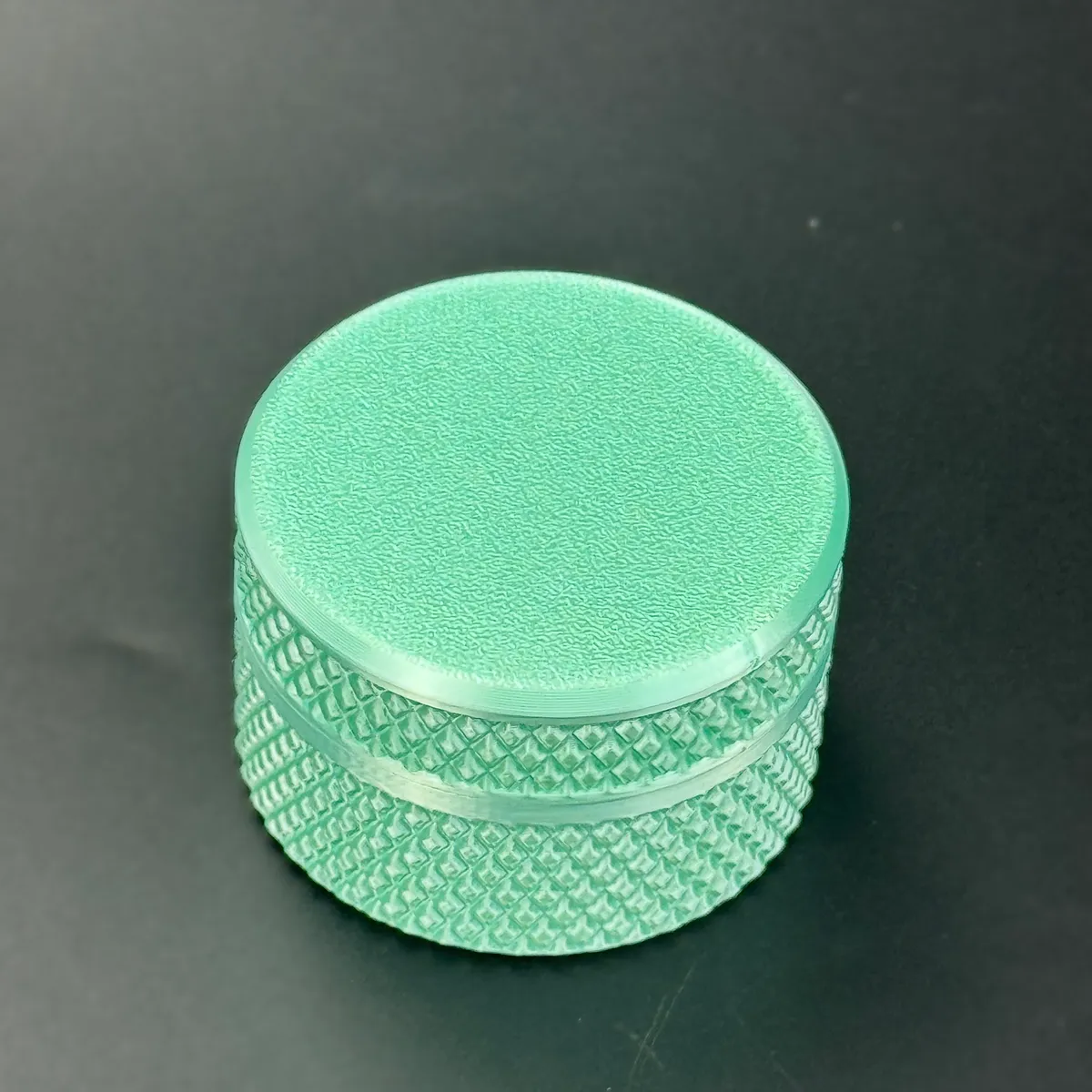
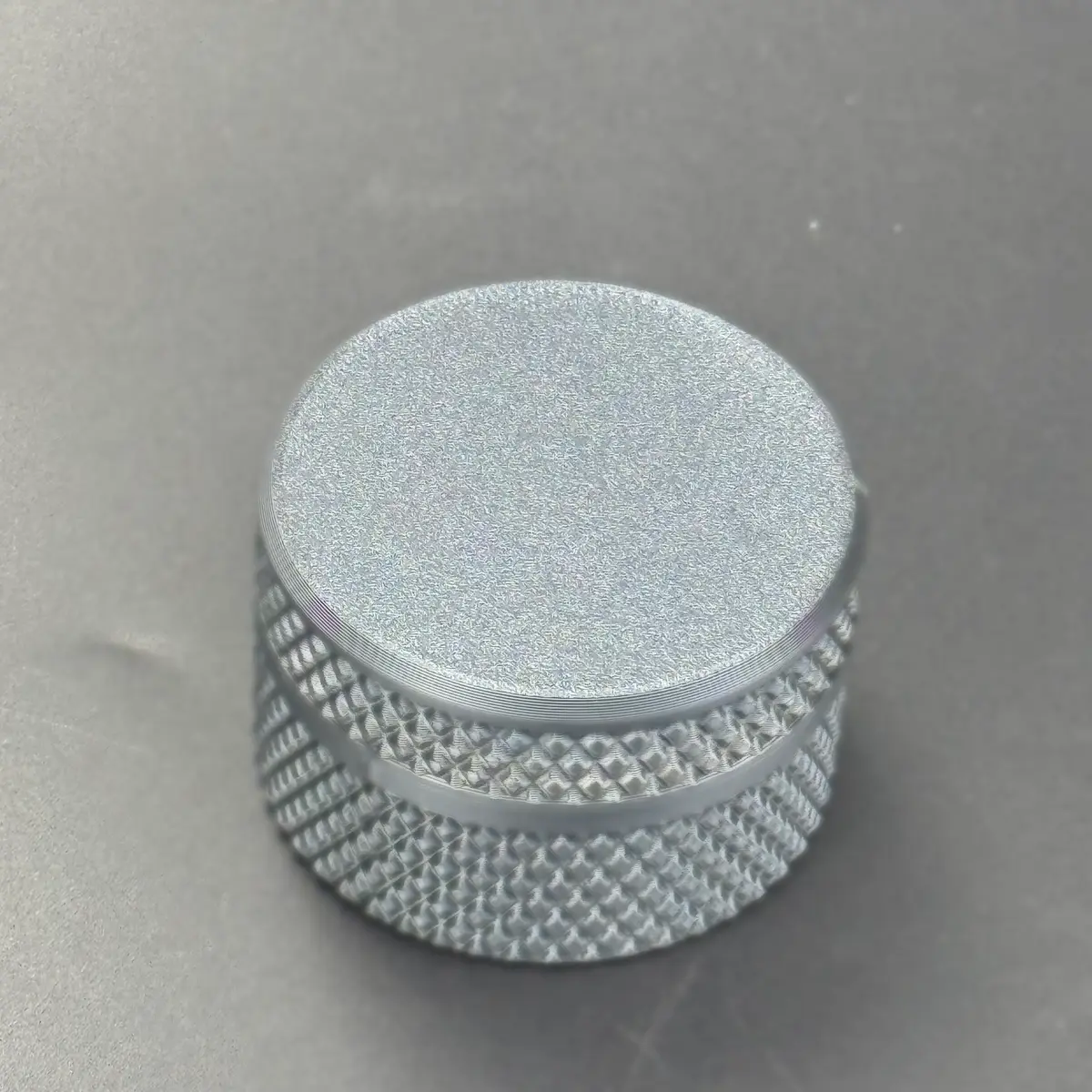
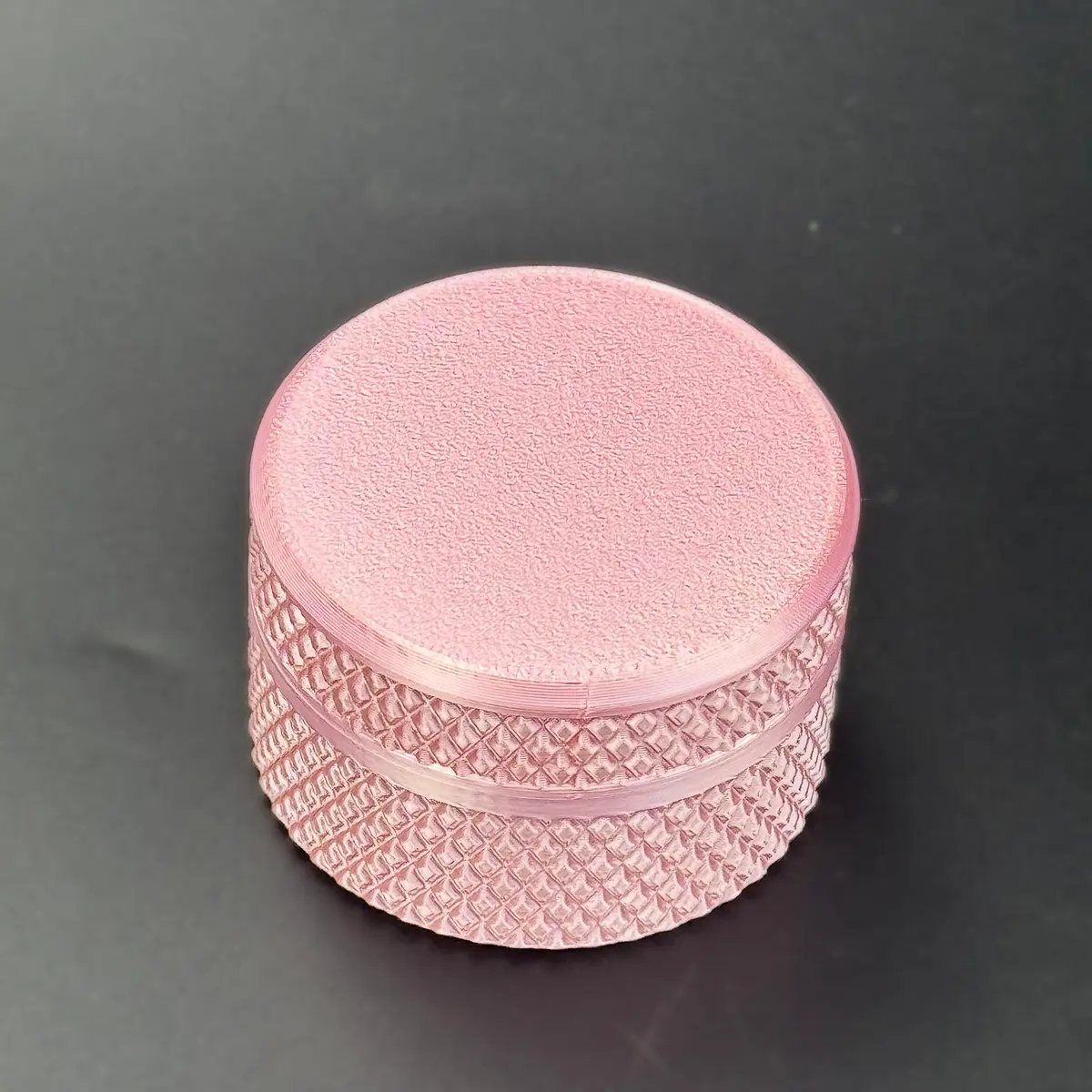
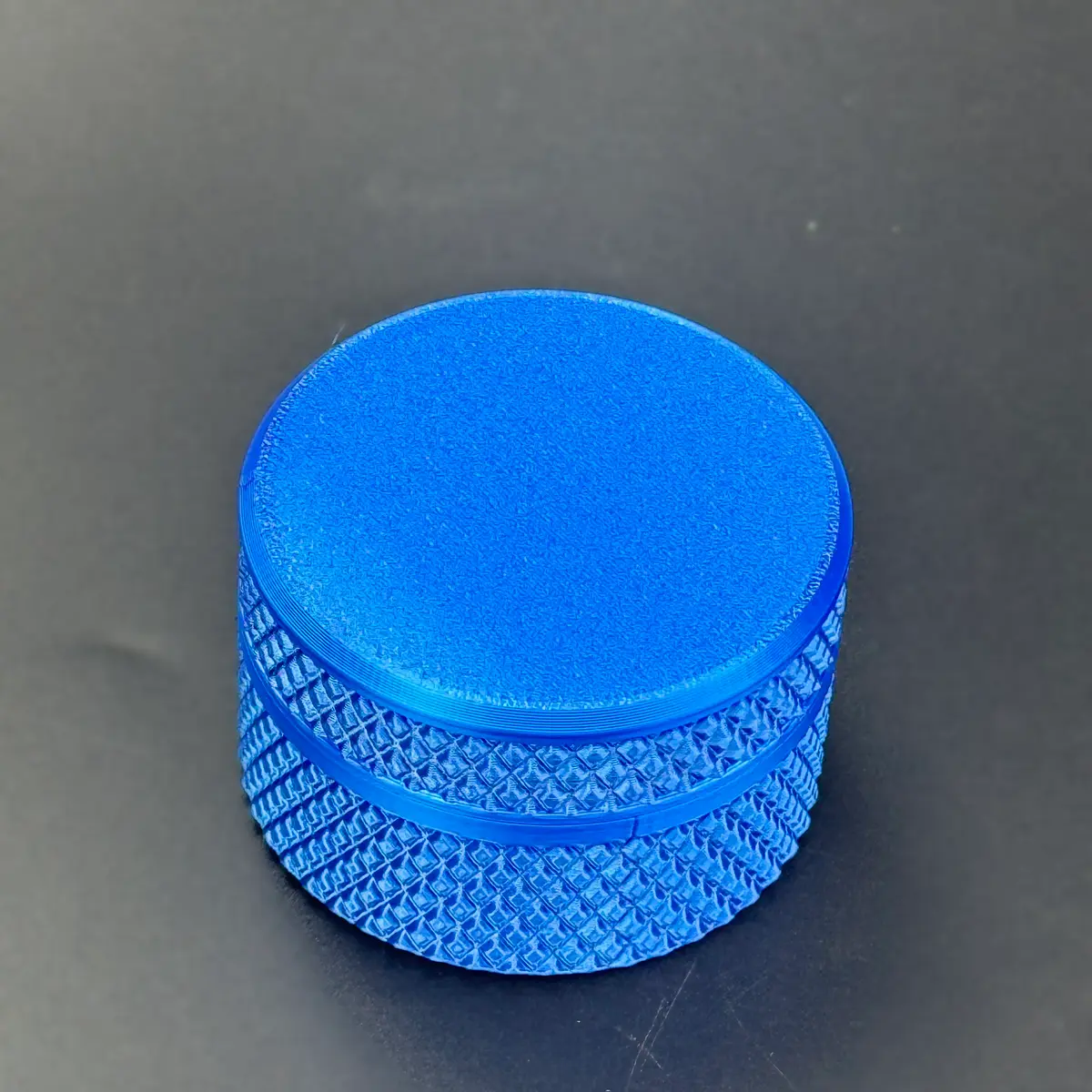
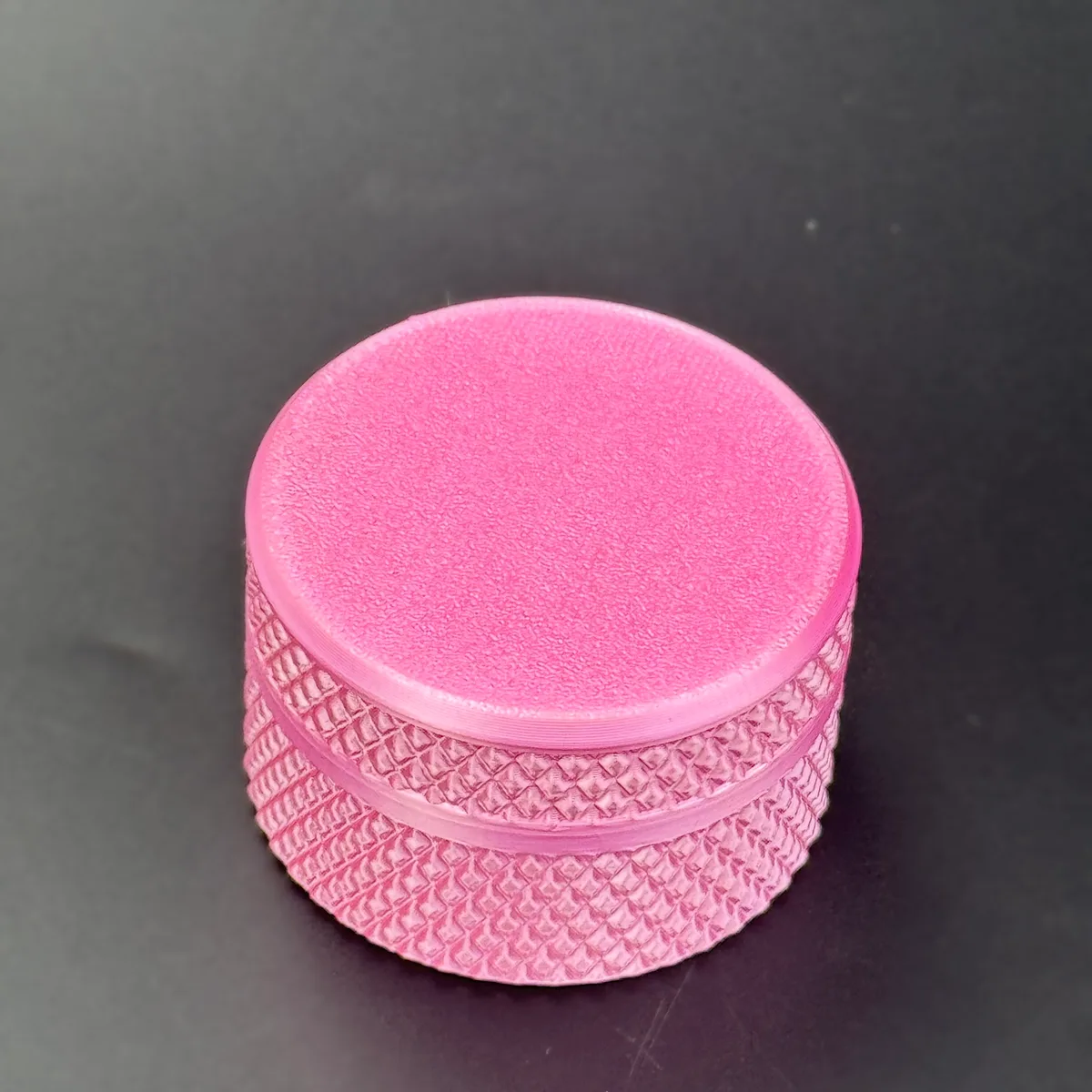
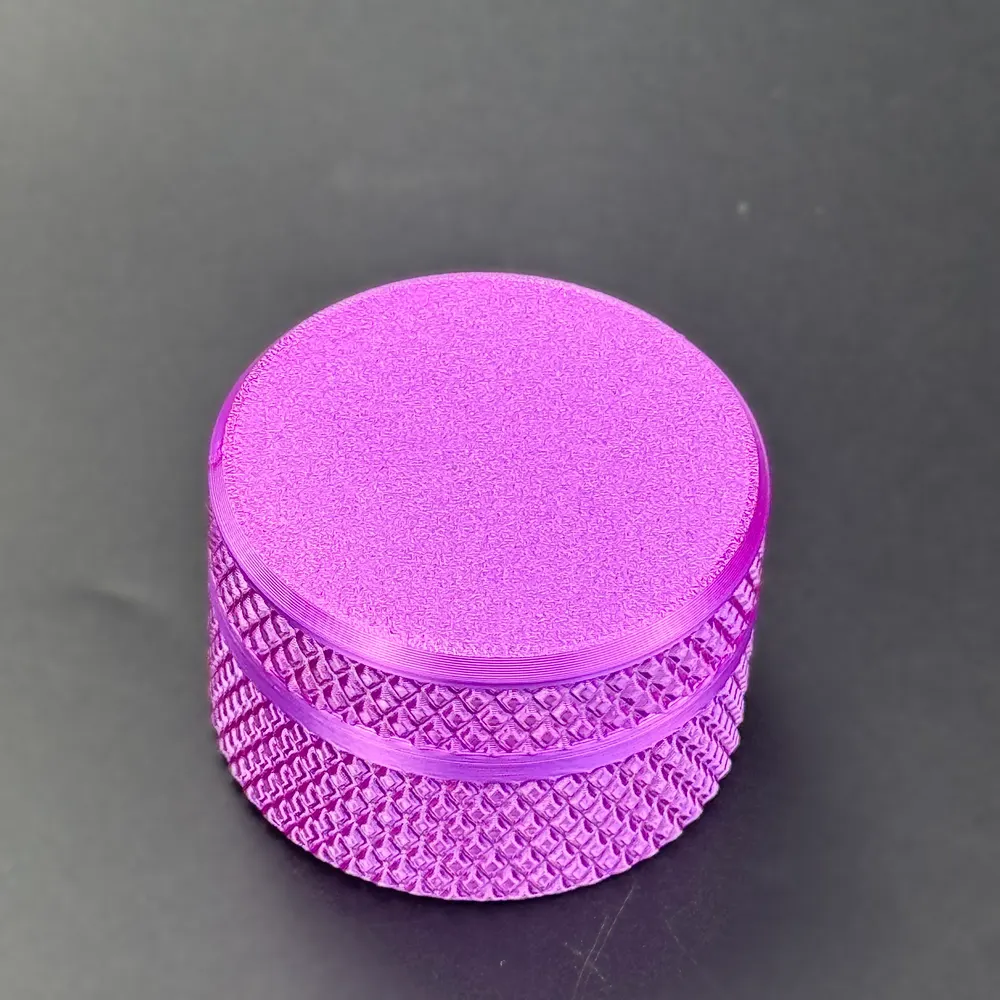
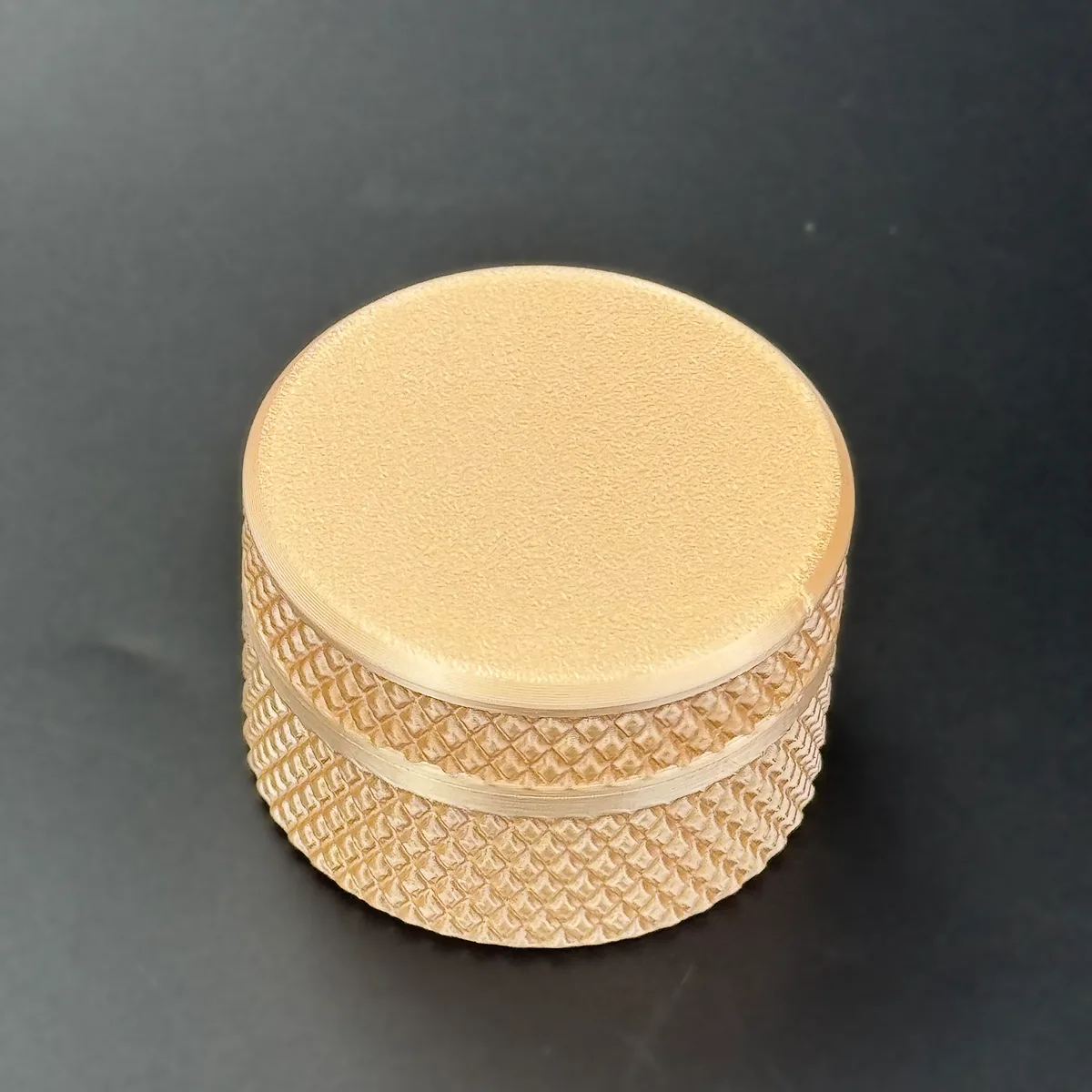
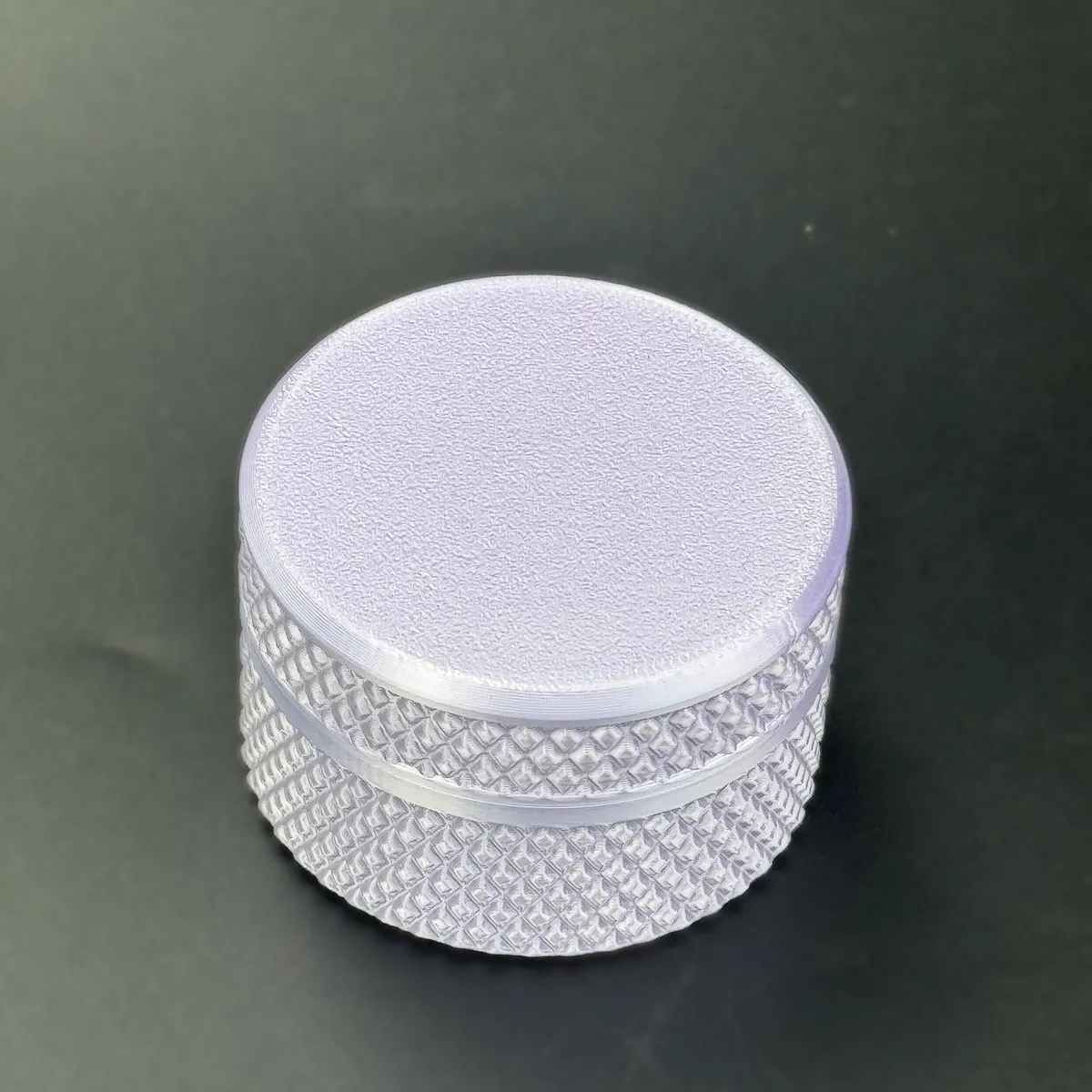
A few pairings that came off the shelf already assembled, with lids and shells from different editions. Two of them I would not have thought of myself, and they work better than the ones I did think of:
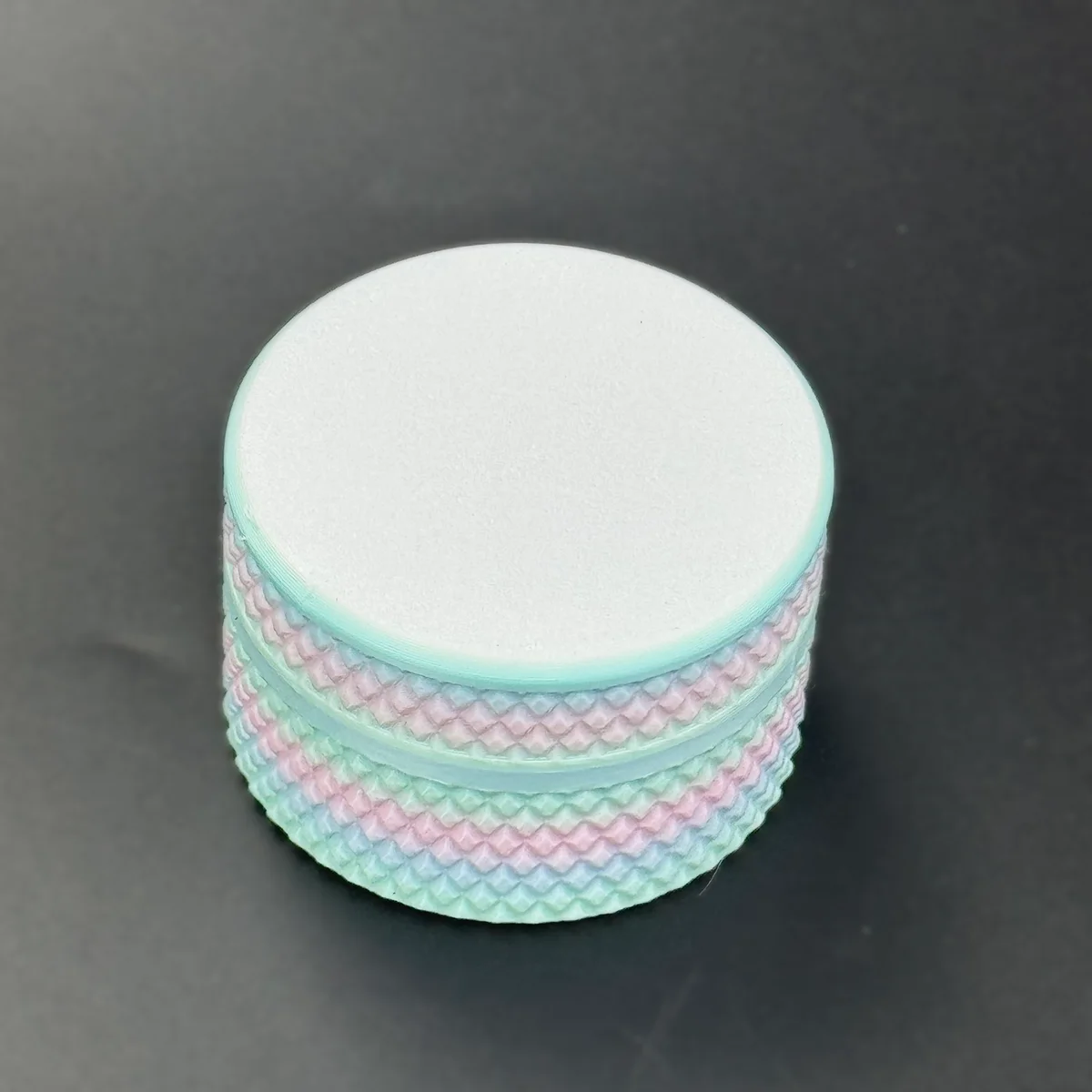
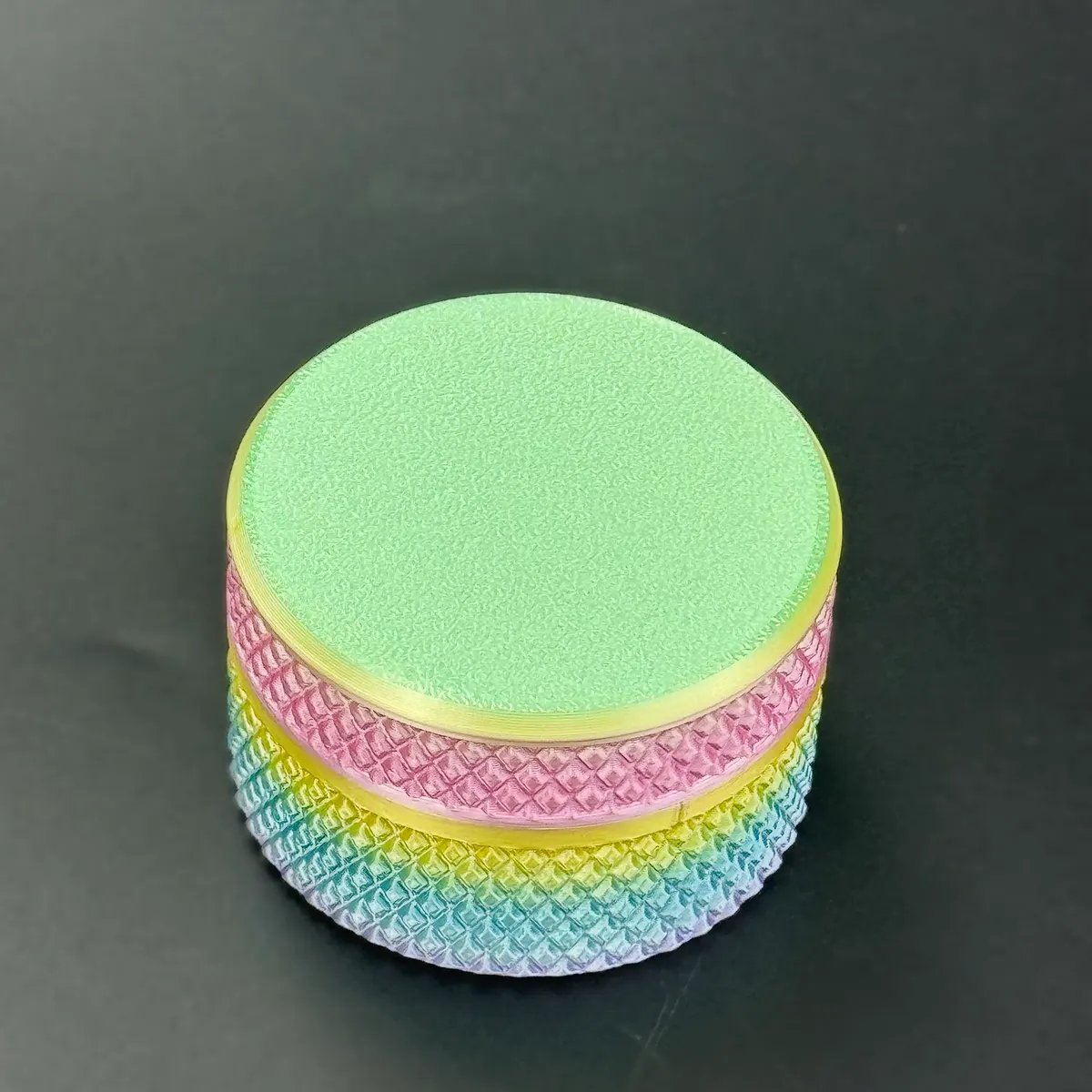
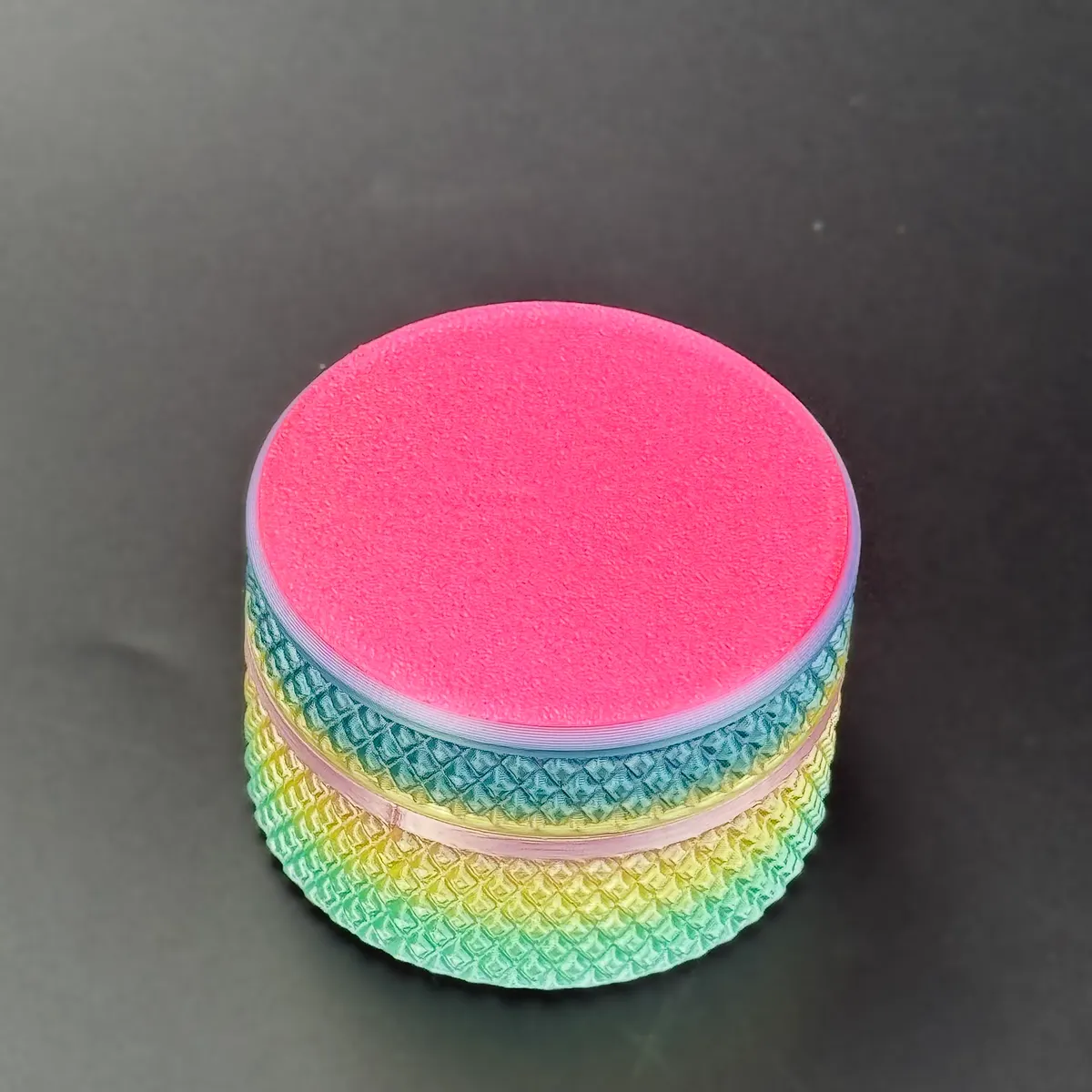
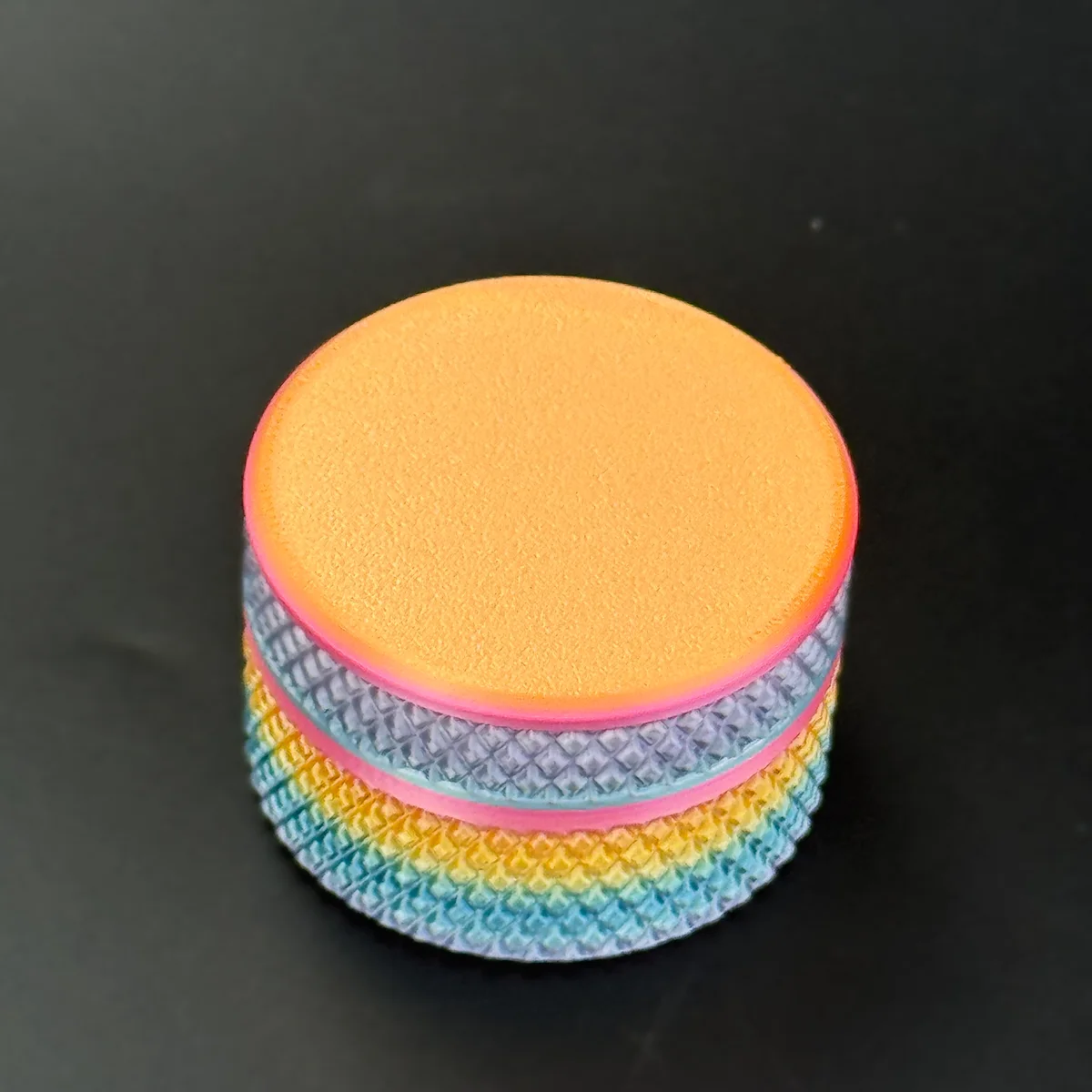
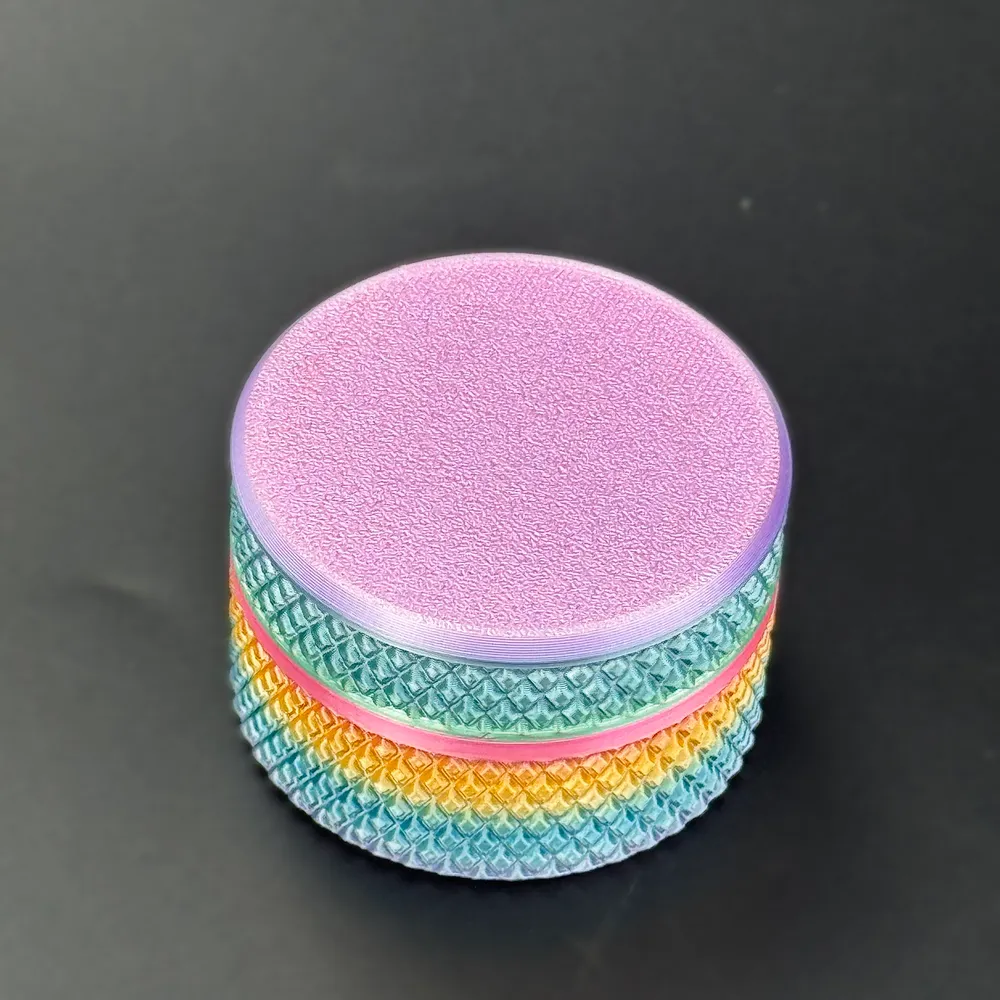
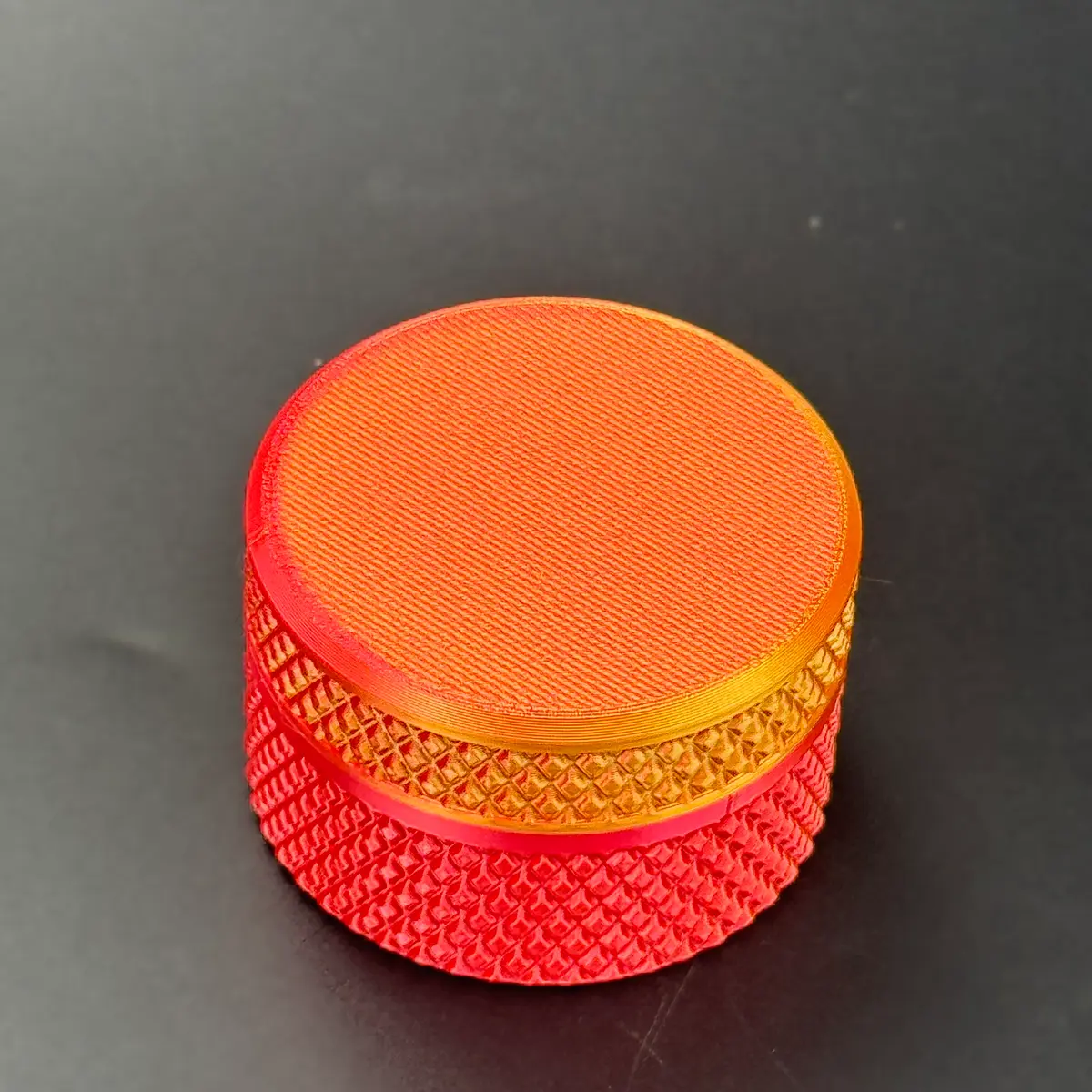
What it is for
All of that is the outside. The inside still has a job, which is easy to forget after an afternoon of colour. It is a case for vials: seven 3ml glass vials with 13 mm crimp caps, one in the centre pocket and six around it. 65 mm across and 42 mm tall. The lid screws shut and stays shut, so it can live in a bag without anything popping open. Every batch is drop tested at about a metre with the case loaded.
MOQ is 30 pieces. Indicative price runs from US $2.70 to 3.30 depending on quantity. Custom colours and custom cavity layouts are quoted from 50. The UV logo goes on the lid top and it is free from 50 pieces.
If your combination is not on this page
The colours on this page are the ones in our sample tray. They are not the edge of what the three pieces can do. If the mix in your head cannot be built from these colours, that is a production question, not a redesign, because the lid, the shell and the tray are printed one piece at a time. Your own brand colour on the shell with a quiet tray. A pair that has to sit next to a label or a box you already print. Something louder than anything here. Tell us what it is and we will find out whether it can be made.
Send a Pantone code, a photo, or a rough sketch of what you want the three pieces to be. We will come back with how close we can get, what it costs, and how long it takes. Custom colours are quoted from 50 pieces, and a colour matched to your reference usually needs a sample approved before the batch runs.
You do not have to be ordering anything to send it. There are a lot of combinations we have not tried, and the fastest way to see one is to ask us to build it. If your idea turns out badly, we will say so before you order, and send you the photo anyway. That is the same deal as the blue-and-grey case above. And if you would have picked the other one, tell us that too. We like knowing which side of the scale people land on.
Send us the combination you have in mind — a photo of two parts you want to swap is enough to start.
If you want one
If any of that is close to what you need, the specs, the price table and the quantity breaks are on the product page:
- cylindrical vial case carries seven 3ml glass vials — MOQ 30, 15 to 25 days.
- 2ml 3ml 5ml Glass Vials — the matching glass, same factory, one shipment.
Order two colours, not one. It costs the same per case, and it is the only way to try a swap without buying anything extra. The first swap takes about a minute. The second one is where it gets interesting. If you want your logo on the lid, send an inquiry. Quote in one working day, sample in five to seven.
White and Gold: One Colour Story Across Five 3ml Vial Cases